Blog
Dental hygiene tips for healthy teeth & gums
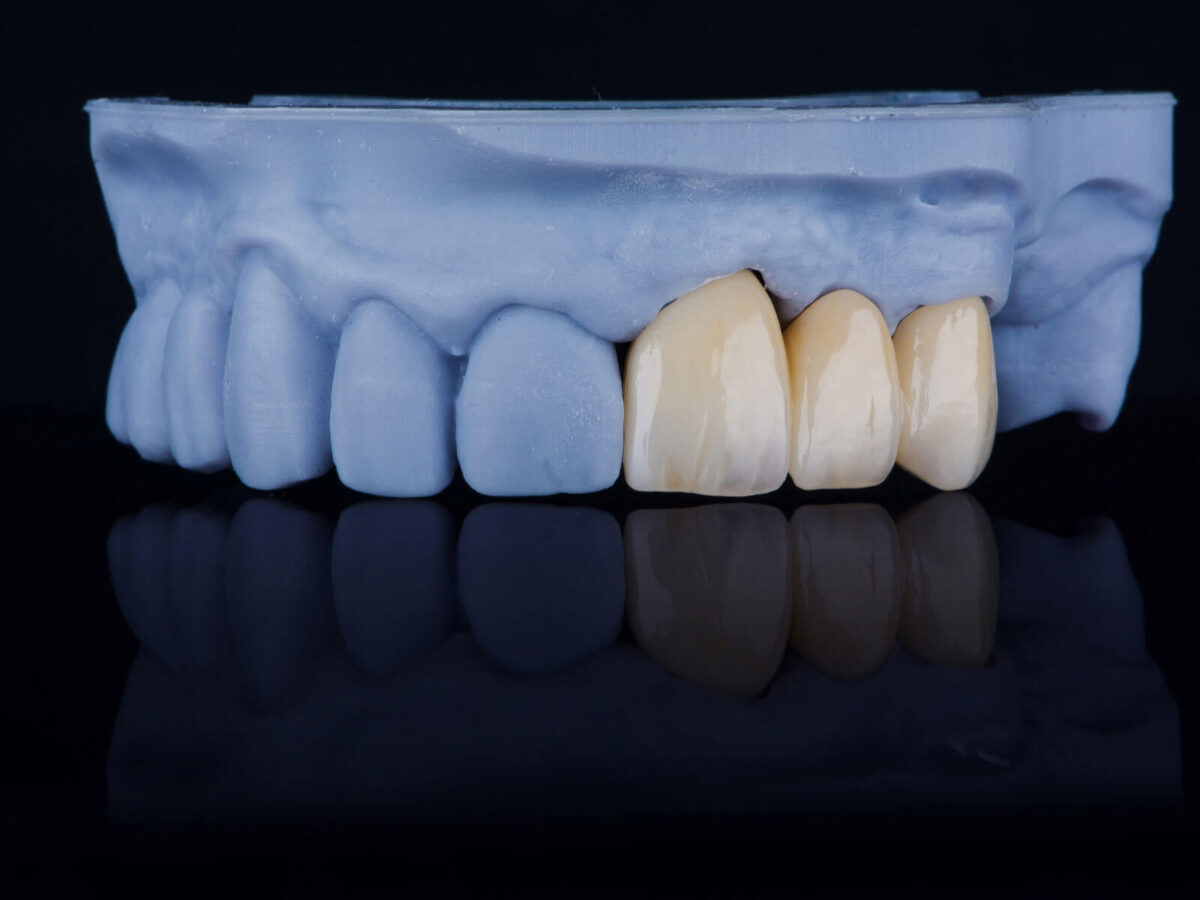
The Different Types of Dental Crowns and How to Choose One
When I needed a crown, I assumed the decision would be made for me. The dentist would recommend something, and I’d say yes.
What happened instead was a conversation I hadn’t prepared for. Material options at different price points. Questions about where the tooth sat and how hard I bite down. None of that was on my radar.
Knowing the types of dental crowns before that appointment would have made it a far more useful half hour.
TL;DR
- Five main types of dental crowns exist: porcelain fused to metal. All-ceramic. Zirconia. Gold. Composite resin. Which one fits depends on the tooth, the bite, and of course, the budget.
- PFM is proven and affordable but shows a grey line at the gumline over time. All-ceramic looks the most natural but can fracture under heavy bite force.
- Zirconia is now the go-to for back teeth. Strong, tooth-colored, metal-free – and it’s largely replaced PFM in most practices. Gold has the best long-term survival data of any material but looks like gold.
- Composite resin is the cheapest option and the least durable. Fine for temporary use, not a long-term solution.
- Tooth location, grinding habits, and what’s happening with surrounding teeth matter as much as cost when choosing.
PFM Crowns
What it is: A metal core with tooth-colored porcelain layered on top. Porcelain-fused-to-metal crowns held the default position in most practices for decades – the material dentists reached for when a crown was needed, front or back.
What’s good about it: The metal base provides strength that porcelain alone can’t match. PFM crowns handle significant biting force well and have a long track record. More long-term data exists for PFM than for any other crown type, which matters when you’re trying to evaluate how a material actually holds up over years of use.
What’s not good about it: The metal substructure blocks light, which is why PFM crowns never quite match the translucency of natural teeth. Over time, gum tissue recedes. When that happens, the metal base near the gumline becomes visible as a grey or dark line. Fixing it typically means replacing the crown. The porcelain layer can chip too, especially on back teeth that take the most force.
Cost: Somewhere around $1,000 – $1,800, varying by location and practice.
Best candidate: Mostly patients with a back tooth that doesn’t need to look perfect. Budget is also a factor – PFM costs less than most ceramic options and has decades of clinical data behind it.
All Ceramic Crowns
What it is: Pure ceramic throughout, with no metal substructure. The two systems that come up most in the research are feldspathic porcelain and lithium disilicate (e.max). All-ceramic crowns have become the standard recommendation for front teeth, and once I worked through the material comparisons, the reasoning held up.
What’s good about it: The aesthetics are the strongest argument for this material. Light passes through ceramic in a way that closely mimics how natural enamel interacts with light, and the translucency is genuinely difficult to distinguish from a natural tooth when done well. Lithium disilicate has also significantly improved on older ceramic systems in terms of strength, which has expanded what’s possible without any metal support underneath.
What’s not good about it: The weak point is brittleness. A hard impact or a grinding habit can crack ceramic in ways that PFM or zirconia typically don’t. Back teeth with heavy bite load are where this material runs into trouble most often.
Cost: $1,200 to $2,000, with variation based on which ceramic system is used and where the practice is located.
Best candidate: Mainly patients where appearance is the priority. Front teeth, visible premolars, stable bite, no grinding history. Those who grind or have gaps in the back of their mouth that shift load forward are better served by something more durable.
Zirconia Crowns
What it is: Zirconium dioxide, shaped into a crown. It’s denser and harder than standard ceramic. Zirconia crowns pushed PFM out of the default spot for back teeth over the last decade, and most practices haven’t looked back.
What’s good about it: Zirconia holds up under the kind of bite force that back teeth deal with daily, and it rarely fractures under normal use. Less tooth reduction is needed going in than with PFM, and it comes in tooth-colored shades – so there’s no metal showing through. Monolithic zirconia has particularly strong ten-year data behind it, and for patients with metal sensitivities who can’t have PFM, the biocompatibility is a practical plus.
What’s not good about it: Monolithic zirconia is harder than natural enamel, and the research reflects that. A 2021 study via NIH found it caused significantly more opposing enamel wear than other crown materials. For a single crown in a stable bite, this may not be a major concern. For multiple zirconia restorations, or someone already dealing with wear on opposing teeth, it’s worth factoring in. Zirconia is also difficult to adjust chairside. Once trimmed, the cut surface can’t be polished back to a smooth finish, which can accelerate wear further.
Cost: Typically $1,200 – $2,500 depending on the system and location.
Best candidate: Patients needing a back tooth crown where strength is the main priority, and those with metal sensitivities who can’t have PFM. Less suited to patients already showing significant wear on opposing teeth, or anyone receiving multiple crowns at once.
Gold Crowns
What it is: A gold alloy crown, usually some mix of gold, copper, and a few other metals. Gold crowns are almost exclusively placed on second molars and other areas where appearance isn’t a factor.
What’s good about it: The longevity data is what stands out. No other crown material has 25-year survival data behind it. It wears closer to natural enamel than harder materials do, so it’s easier on whatever tooth it’s biting against. It holds up without chipping or fracturing, and it doesn’t develop the gumline aesthetic issues that PFM does. I went into the research expecting gold to be a dated option, and the clinical case for it on back molars was more current than I’d assumed.
What’s not good about it: It looks like gold. For most patients, that limits placement to second molars and areas that aren’t visible during normal conversation.
Cost: $1,500 to $2,500, fluctuating somewhat with the metal market.
Best candidate: Mainly heavy grinders and patients who’ve already had a ceramic crown fail on the same tooth. Anyone whose opposing teeth are showing wear is also a reasonable candidate, since gold is gentler on enamel than zirconia. For a back molar where looks don’t matter, it’s worth taking seriously.
Composite Resin Crowns
What it is: Composite resin, the material dentists use for tooth-colored fillings, formed into a crown shape. Of all the crown materials available, composite resin crowns have the shortest lifespan.
What’s good about it: Cost is the main argument for this material. It’s the most affordable crown option, and in many cases it can be placed in a single appointment. For short-term situations: waiting on a permanent crown to be fabricated, or a tight budget where replacement is already part of the plan. It serves a practical purpose.
What’s not good about it: The wear rate is the main issue. It degrades under bite pressure faster than ceramic or metal, and staining is a persistent problem. Five years in, most composite crowns are already showing it. Replacing one every few years adds up. Over a decade, the total cost tends to surpass what a more durable material would have run from the start.
Cost: $900 – $1,500, which is the lowest starting point of any crown type.
Best candidate: Temporary situations where a permanent crown is coming. It’s a workable short-term fix for patients in a cost-constrained position who understand what they’re getting into, but as a permanent solution it rarely makes sense when other materials are available.
Not Sure Which Crown Is Right for Your Tooth?
A proper evaluation considers your bite, your tooth, and your budget before making a recommendation.
FAQ
Which crown materials are actually used?
Porcelain fused to metal. All-ceramic. Zirconia. Gold. Composite resin. Tooth location, bite pattern, and budget all shape which one actually makes sense.
How durable are dental crowns?
Depends heavily on the material. Among everything available, gold has the most follow-up data – 25 years of it. Zirconia and lithium disilicate show strong results in the studies that exist, but those studies are newer.
What works best on front teeth?
Lithium disilicate comes up most often in that position. It matches natural enamel in how it handles light, which is the main thing that matters when the tooth is visible.
Is zirconia better than PFM?
For back teeth, it usually is. Zirconia holds up better under load, needs less tooth removal going in, and doesn’t show the gumline darkening that PFM develops over time. PFM still works in specific situations, but most practices have moved to zirconia as the default for posterior crowns.
Conclusion
The types of dental crowns on offer now cover more ground than they did a generation back. Materials have improved at every price point. One thing that came through consistently in the research: what works on one tooth doesn’t necessarily work on the next.
Tooth location matters. So does bite pattern, and budget. A dentist who takes all of that into account will land on a better recommendation than one who defaults to a single material – and going through the research made that clearer to me than any single source did on its own.
For patients in Victoria heading into a crown decision, understanding what each material is built for and where it tends to fall short is useful context before that conversation happens.
Not Sure Which Crown Is Right for Your Tooth?
A proper evaluation considers your bite, your tooth, and your budget before making a recommendation.