Blog
Dental hygiene tips for healthy teeth & gums
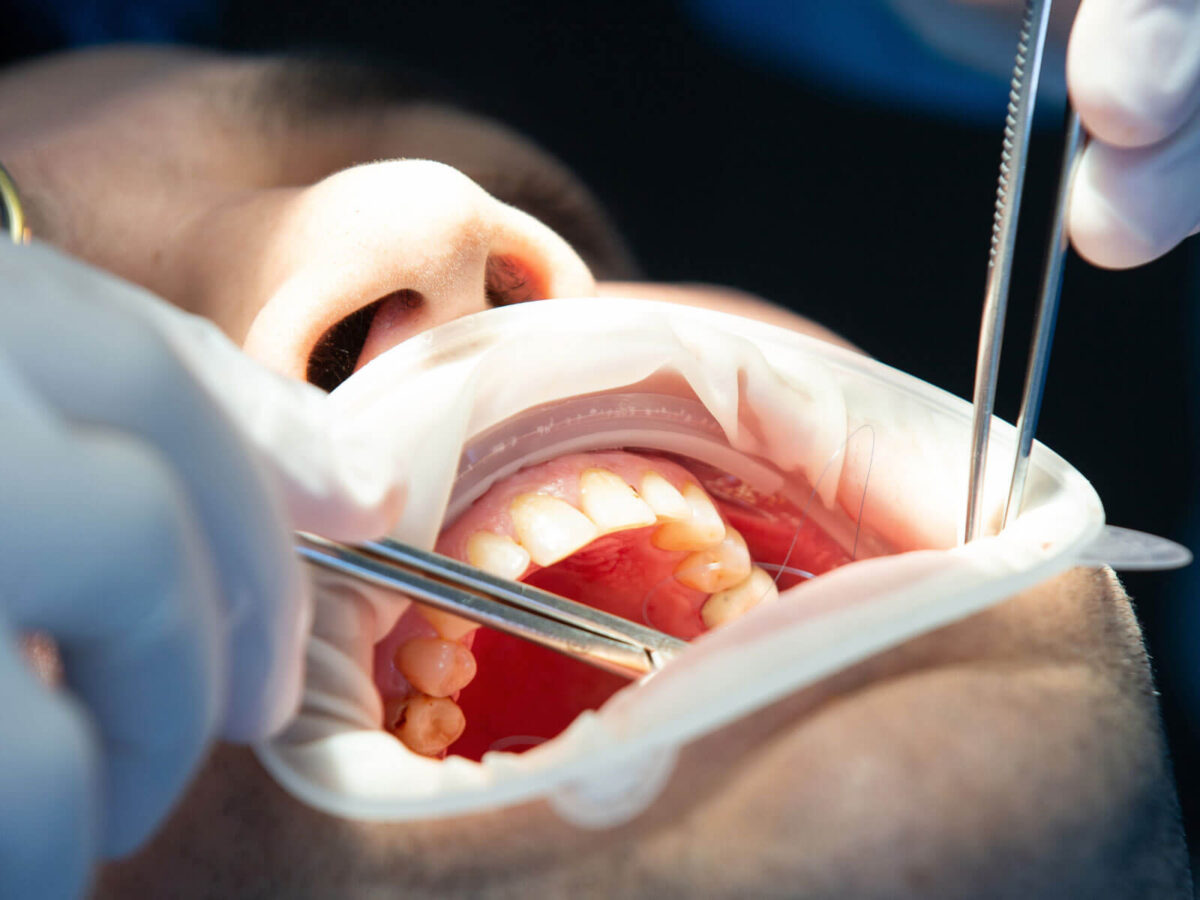
Common Myths About Root Canal Treatment You Can Stop Believing
The fear around root canals has always seemed out of proportion to me. A family member kept putting off an appointment because of it, and that’s what pushed me to actually look into where it comes from.
The myths about root canal treatment aren’t harmless. Patients delay necessary care because of them. Infections progress. Teeth get lost that didn’t need to be.
TL;DR
- The myths about root canal treatment that circulate most widely don’t hold up against the evidence.
- Modern root canal treatment is comparable in discomfort to a filling. The pain people associate with it is the infected tooth beforehand.
- The systemic illness claim traces to flawed early research that has been debunked.
- Extraction isn’t a simpler alternative. It creates consequences that require additional treatment.
- Many root canals are completed in a single appointment.
- Some teeth that need root canals produce no pain at all.
Myth 1 – Root Canals Are Extremely Painful
This is the one that kept my family member from booking. And it’s based on a procedure that doesn’t really exist anymore.
Before modern anesthesia and instrumentation, root canals were a different experience. Techniques have changed significantly since then. The tooth is fully numbed before anything starts, and the American Association of Endodontists puts the discomfort on par with a filling.
The pain people associate with root canals is usually the infected tooth in the days before the appointment. The procedure removes that source of pain. The longer someone waits, the more discomfort builds beforehand, not less.
Myth 2 – Root Canals Cause Illness
This one resurfaces online regularly, and it’s done real damage. People have avoided necessary treatment because of it.
The claim traces back to research by Weston Price in the early twentieth century, which proposed that bacteria trapped in root-treated teeth leaked into the body and caused systemic disease. Price’s methodology was fundamentally flawed by any standard. His conclusions weren’t reproducible, and the scientific and medical communities rejected them decades ago.
A review published via NIH found no credible evidence of a causal link between root canal treatment and systemic disease. Subsequent research has consistently come up empty on that connection.
Untreated dental infection is what actually causes systemic illness. An abscess that spreads into bone or deeper tissue is a medical emergency. The root canal removes the infection before that happens.
Myth 3 – Extraction Is a Better Alternative
A lot of people go into consultations thinking extraction is the simpler path. Pull the tooth, done. Looking into it, that simplicity mostly disappears once the tooth is gone.
When a tooth could be saved, extracting it just creates a different set of problems. The gap left behind has its own consequences. Teeth shift, bone resorbs, and replacing the tooth means more procedures and more cost. The ADA notes that nothing fully replicates the function and longevity of a natural root.
Extraction isn’t the easier option. It’s just a different set of problems, spread out over time.
Myth 4 – Root Canals Require Multiple Long Appointments
I’d assumed multiple visits before I looked into it. Most people do.
For a straightforward case, one appointment of 60 to 90 minutes is typical. Two visits come up with more complex cases, but that depends on the tooth and the situation, not the procedure itself.
The crown placed afterward is a separate step entirely. People often count it as part of the root canal, which is where the multi-appointment assumption comes from. Some practices offer same-day crown technology, which shortens that part of the timeline if it’s a consideration.
Myth 5 – A Tooth That Needs a Root Canal Always Hurts
A family member had this exact thing happen. The tooth hurt for a few days, then stopped. No more pain, so no more concern. It seemed like whatever was wrong had sorted itself out. It hadn’t. The nerve had died, and the problem was still there, just quiet.
Pulp necrosis, the death of the nerve inside the tooth, can happen gradually enough that the pain phase passes without the patient connecting it to anything serious. Once the nerve is gone, there’s often no signal left. A dead tooth can develop infection at the root tip without producing noticeable pain. Bone around the root tip gets affected. The tooth looks and functions normally from the outside the whole time.
Most of these cases get caught at routine exams. A tooth that doesn’t respond to vitality testing, or something showing up on an X-ray around the root tip. By the time there’s pain again, the infection has usually been building for months. The window where treatment is straightforward closes quietly, without any obvious warning.
A tooth that hurt and then went quiet is worth bringing up at the next exam. Assuming it resolved is usually how these cases get found late.
Myth 6 – Root Canal Treatment Doesn’t Last
A lot of people assume a root canal is just buying time. That the tooth goes out eventually regardless. The research doesn’t back that up.
Root canal-treated teeth can last a lifetime. What determines longevity isn’t the root canal itself – it’s what happens after. A treated tooth needs a crown to protect it from fracture under normal biting force. Without one, fracture is the most common reason these teeth are ultimately lost.
A study published via NIH found that root canal-treated teeth restored with crowns had significantly higher survival rates over ten years than those without. Getting the crown placed afterward matters as much as the procedure itself.
Myth 7 – You Should Wait Until the Pain Is Unbearable Before Getting a Root Canal
Waiting until it gets bad enough seemed logical to me before I looked into what that actually costs clinically.
An infected tooth caught before the infection has spread beyond the root tip is a more straightforward procedure than one where surrounding bone is already involved. A tooth treated before significant decay or fracture has added to the infection is more restorable than one where waiting compounded the damage.
The infection progresses whether or not the pain does. The Mayo Clinic notes that prompt treatment reduces the risk of spreading and increases the likelihood of a straightforward procedure. Every week of delay changes what’s waiting at the appointment.
Still Nervous About a Root Canal?
Every case is different. A consultation is where the specifics actually get addressed.
FAQ
How much does a root canal hurt?
Less than the reputation suggests. Local anesthesia handles the pain during the procedure. Most people say it felt closer to a filling than what they’d braced for. The infection in the days before the appointment is usually worse.
Root canals cause illness – is that true?
No. The idea goes back to one researcher in the early 1900s whose work fell apart under scrutiny. It hasn’t held up in the century of research since.
Why not just pull the tooth instead?
Not always the solution. Losing the tooth creates its own problems – shifting, bone loss, and a replacement that costs more than keeping it would have.
How long does the appointment actually take?
Usually one visit, somewhere in the 60 – 90 minute range. The crown that goes on afterward is booked separately.
Conclusion
What surprised me most while going through this research was how much damage these myths about root canal treatment actually do. People delay appointments, let infections progress, lose teeth they could have kept – all based on claims that don’t hold up.
The pain reputation is outdated. The illness claim was rejected by the scientific community decades ago. Extraction creates more problems than it solves when the tooth is still savable. And walking in with an unbearable infection means a harder procedure than coming in earlier would have.
For Victoria patients who’ve been avoiding the conversation, what the research shows is a lot less alarming than what’s been circulating.
Still Nervous About a Root Canal?
A consultation is where the general picture becomes specific to your case.