Blog
Dental hygiene tips for healthy teeth & gums
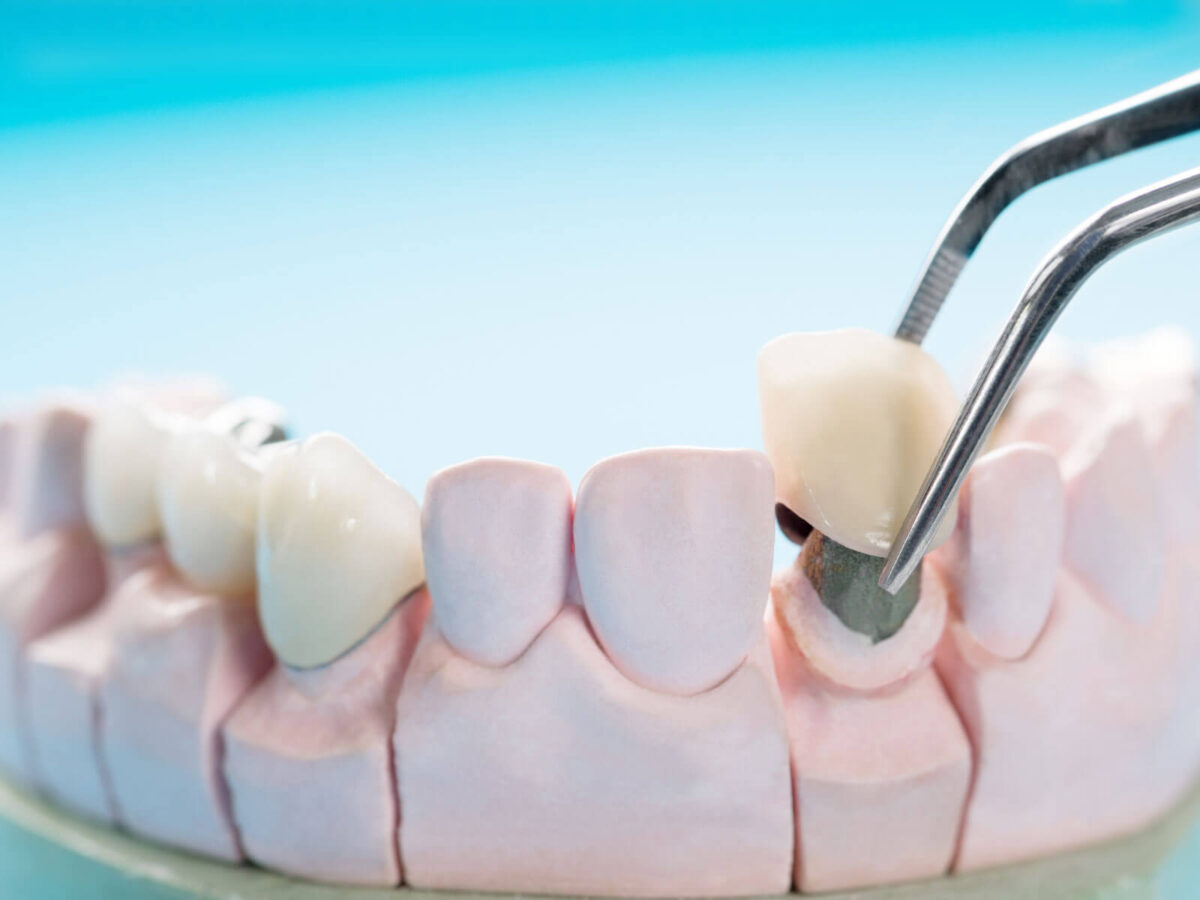
Dental Crown Cost: What Influences the Price?
What Dental Crown Cost Really Covers
For most people, the moment a crown is mentioned, attention goes straight to the price. It feels like it should be straightforward. One treatment, one cost. But in reality, it’s not that simple.
A crown isn’t just something that gets placed on the tooth and done. There’s a bit that happens before that. The dentist checks the tooth, works on it, takes impressions, and then fits the crown is fitted later. All of that is part of the dental crown cost.
From a patient’s point of view, it may not seem like much. A visit, some work done, and then another appointment. But there’s work happening in the background, too. That’s what influences the price of a dental cap and the actual cost of a crown tooth.
Why Crown Material Changes The Price So Much
One of the main reasons prices vary is the material used. Not all crowns are made the same. And once they’re in the mouth, they don’t always perform the same either.
Porcelain crowns are often used for front teeth. Mostly because they look more natural. The way light hits them is close to real teeth, so they don’t stand out much. That’s part of why the dental crown cost can be higher.
Metal crowns are different. They’re strong, very durable, and can handle heavy chewing without much trouble. That’s why dentists often suggest them for back teeth.
Then there’s zirconia. It sits somewhere in between. Strong like metal, but still looks fairly natural. That balance is part of what affects the final cost.
What The Tooth Condition Adds To The Cost
Every tooth comes with its own situation. Some teeth only need a crown for protection. Others need much more preparation before a crown can even be placed.
When too much of the tooth is affected, it usually has to be rebuilt before anything else. This step is sometimes called core buildup. It adds both time and cost.
In other cases, a root canal may be required before placing the crown. At that point, the cost of a crown tooth becomes part of a larger treatment plan.
This is why two patients receiving crowns may end up with very different total costs. The starting point matters more than most people expect.
Why Tooth Location Makes A Difference
Where the tooth is located also changes how things are done. Front teeth and back teeth are used differently. So naturally, the way they’re handled changes a little.
Front teeth are more visible, so appearance matters a lot here. Even small differences in shade can stand out. That’s why color matching becomes important, and the crown has to blend in with the surrounding teeth as naturally as possible.
Back teeth are different. They handle most of the chewing, so they deal with more pressure throughout the day. Because of that, dentists usually focus on strength when choosing the material.
All of this can affect the price of a dental cap. The goal isn’t exactly the same in every case, and that’s part of why the cost can vary.
How Dental Lab Work Influences Pricing
Crowns are usually not made inside the clinic. They are created in dental laboratories. Skilled technicians design them based on impressions or digital scans.
This part of the process often goes unnoticed by patients. Still, it plays a major role in the final result.
Highly customized crowns require more detailed work. Matching shape and color takes time. That level of detail can increase the dental crown cost.
Some clinics use advanced digital systems to design crowns. These systems improve precision. They may also affect pricing depending on the technology used.
What Shapes Treatment Quality And Results
Not every dental clinic runs the same way. Some keep things pretty basic, while others put more into newer equipment and extra training. You can usually see that difference in how the treatment is done.
Experience also plays a part. A dentist who has handled more cases may plan things differently. Sometimes more carefully. That can lead to results that last longer, which can influence the cost of a crown tooth.
The setup of the clinic matters too. Some places use digital scanners, updated imaging, or even machines that make crowns on-site. It helps with accuracy, but also adds to overall costs.
According to the American Dental Association, costs can differ. The case, materials, and clinic setup all play a part.
How Payment Plans And Options Affect The Final Price
Insurance can change the situation significantly. Some plans cover a portion of the dental crown cost. Others may only cover specific types of crowns.
Patients sometimes assume everything will be included. That is not always the case. Coverage often depends on the reason for treatment.
Payment plans can help in many cases. Some clinics let you spread the cost over time, which makes things easier. This is useful when more than one procedure is involved. Knowing this early can prevent confusion later.
Why Long-Term Value Matters More Than Cost Alone
At the start, most people think about the price. That’s normal. Dental work can feel like a big expense. But a crown isn’t just for now. It’s meant to last. If it’s done right, it does its job nicely. It protects the tooth and helps keep future work to a minimum.
Spending a bit more at the start can sometimes prevent extra trouble later. Cheaper ones don’t always hold up the same way. Even research from the National Institute of Dental and Craniofacial Research points out that with proper care and regular visits, restorations tend to last longer. So in the end, the value isn’t only about the price of the dental cap. It goes a bit beyond that.
What Patients Should Ask Before Getting A Crown
It can be useful to ask a few simple questions before starting anything. What material is being recommended? Why is that option suitable? How long is the crown expected to last?
Patients can also ask about alternatives. In some cases, different materials may be available at different price points.
Understanding the breakdown of the cost of a crown tooth makes the decision easier. It also builds confidence in the treatment plan. When things are clearly discussed, the outcome is usually better.
FAQS
What is the average dental crown cost?
There isn’t really one fixed number. It doesn’t stay the same for everyone. The material, the state of the tooth, and the clinic can all affect it.
Why isn’t there a fixed price for this?
There isn’t just one reason. The material used, the lab side of things, and any extra steps before placement can all change the final cost.
Does the cost include everything?
Not always. Basic steps like preparing the tooth and placing the crown are usually included. But if other treatments are needed, the total can go up.
Is a higher cost always better?
Not necessarily. What matters more is choosing something that fits the tooth properly and works well over time.
Conclusion
At first, dental crown pricing can seem unclear. The way the numbers change doesn’t always feel obvious. Every case is a little different, though. That’s the starting point, really. And it’s often the little things, the tooth’s condition or the material, that can change the cost more than it seems.
It gets a bit easier once you understand what actually affects the dental crown cost. You can focus on something that balances function and long-term value properly.
Planning for a crown? It’s a good idea to have a proper discussion with your dentist. Go over the cost of crown tooth and the different options available. That way, you’re not guessing, and it’s easier to pick something that works for you.