Blog
Dental hygiene tips for healthy teeth & gums
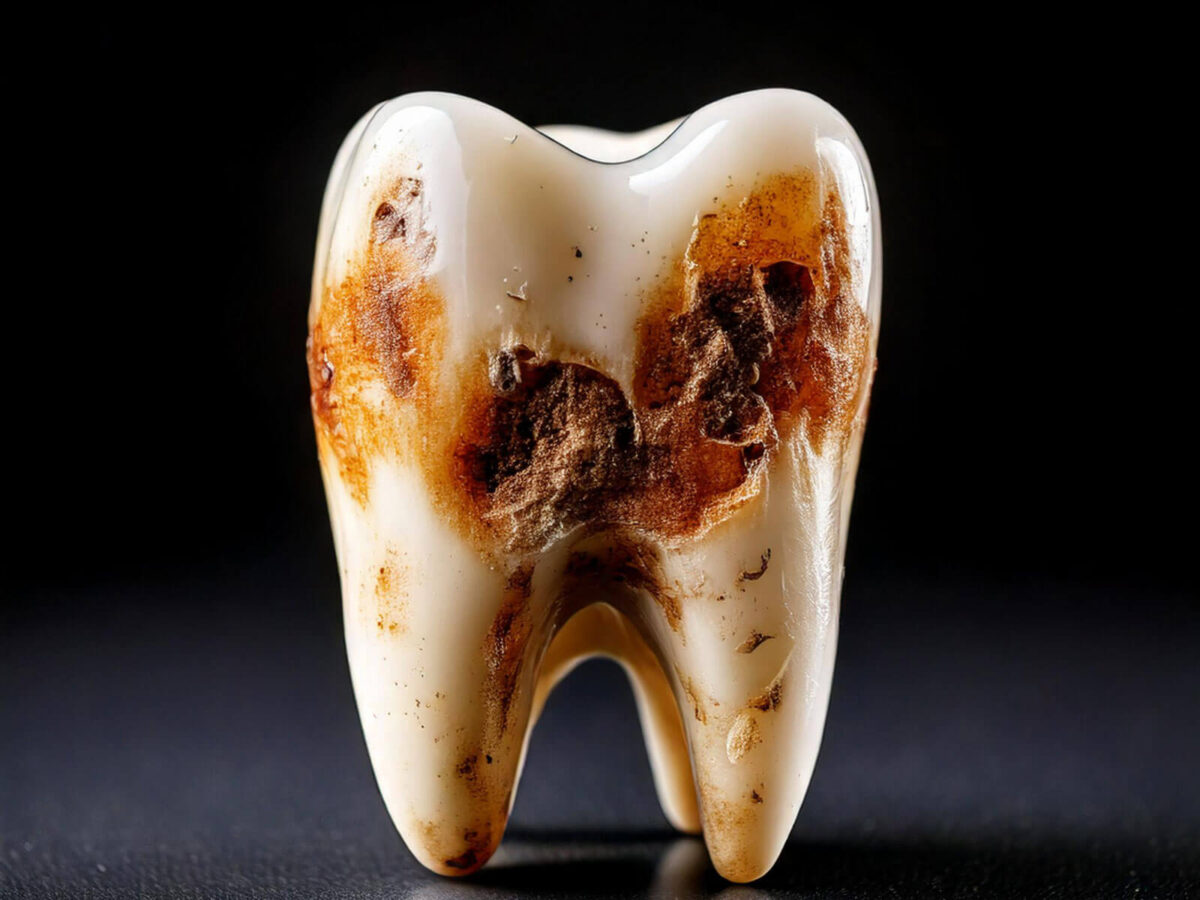
Tooth Decay Stages: 6 Stages and How to Treat Each
Most people don’t realize they have a cavity until something feels different. A slight zing with cold water. At times, you get pain in your teeth that just doesn’t go away. In reality, the tooth decay process has started long before you notice any of these symptoms.
Tooth decay is gradual. It builds quietly in layers. What you think started suddenly is actually the result or final stage of something going on for a long time. If you get to understand the stages of tooth decay, you can stop it at the right time before it’s too late. And that difference matters.
The Stages of Tooth Decay?
The stages of tooth decay are the levels of damage caused by acids and bacteria over a period of time as they get inside the tooth gradually. Tooth decay doesn’t start with an infection. It starts small.
According to the Centers for Disease Control and Prevention, cavities remain one of the most common chronic conditions in both children and adults. That statistic isn’t surprising when you consider how quietly the early tooth decay stages begin. Decay follows a path that is very predictable biologically. There’s only one thing that differs, and that is how quickly it moves.
How Tooth Decay Starts In The Beginning
The beginning stages of tooth decay are very hard to realize. There’s no hole yet. No visible crack. What happens is that enamel begins to lose minerals. And it so happens because after we eat, plaque bacteria produce acid.
The only way to know it’s even happening is that you may notice very faint white spots or slightly dull patches on the surface. These changes mean there’s a mineral loss. It’s not a sign that the tooth is breaking down. In these early tooth decay stages, the enamel may be softer, but it hasn’t been lost.
But this is the phase where you can not only stop but reverse mineral loss. The American Dental Association explains that fluoride can help restore lost minerals and also help strengthen enamel before any cavity is formed. If someone addresses decay here, the tooth can often recover without drilling.
When Does a Stage Cavity Develop?
A stage cavity forms when enamel can no longer withstand ongoing acid exposure and breaks down. This is the moment when structural damage becomes permanent.
What surprises many people is that even at this level of the stages of tooth decay, pain may still be absent. Enamel doesn’t contain nerves, so a cavity can quietly expand before it’s felt.
Once the surface collapses, however, remineralization alone cannot fix it. A filling is required to remove the decayed area and seal the tooth. Treating a stage cavity at this point prevents bacteria from traveling deeper.
If you catch it early, the solution becomes simple as well.
Why Does Decay Spread Faster Under the Surface?
The speed of decay increases once it crosses the enamel and gets to the dentin. This happens because dentin is very soft, so the bacteria travel through it with ease.
Studies cited by the National Library of Medicine note that dentin is filled with very small tubules that run toward the pulp. That anatomical detail explains why sensitivity becomes more noticeable during these stages of tooth decay.
Cold drinks might suddenly feel sharper. Sweet foods might linger uncomfortably. If you’re noticing that kind of sensitivity, the cavity has probably gone past the outer layer. It’s still something a filling can handle. Over time, bacteria can travel further in if nothing is done.
What Happens if the Nerve Gets Involved?
The symptoms start to intensify when decay reaches the pulp of your tooth. This happens because the pulp contains nerves and blood vessels. The inflammation creates pressure that can feel throbbing or persistent in this case.
At this level in the tooth decay stages, root canal therapy often becomes necessary. What happens is that the infected pulp is removed and internal canals are disinfected. The space is also sealed off to save the remaining structure.
The American Association of Endodontists explains that root canal treatment is designed to eliminate infection while saving the natural tooth. Despite common fears, the procedure relieves the discomfort caused by an advanced-stage cavity.
Pain at this stage isn’t random. It’s the body responding to deep infection.
What If Infection Still Spreads?
If infected pulp is not treated and left in the tooth, it can cause a lot of damage. Bacteria can travel from the root into the surrounding bone. At this point in the stages of tooth decay, an abscess may form.
The Mayo Clinic notes that untreated dental abscesses can cause swelling, severe pain, and systemic symptoms if not managed promptly. This represents a serious progression of the original stage cavity.
By then, the priority is getting the infection under control and assessing whether the tooth can stay. It’s not preventive anymore. It’s urgent.
When Is Extraction the Only Option?
In extreme cases, too much of the tooth has broken down to successfully restore it. Extraction in these cases becomes the safest solution.
The World Health Organization reports that untreated dental caries in permanent teeth remains one of the most prevalent health conditions globally. Many of the advanced cases began during the beginning stages of tooth decay, when it was still possible to reverse it.
Even though implants and bridges can help with the function, preserving natural teeth is always better. Fixing a stage cavity from going too far is much easier than replacing the tooth later.
Why Do Tooth Decay Stages Progress Differently for Everyone?
Not everyone moves through the stages of tooth decay the same way. Some people can get away with habits that would cause problems for someone else. A lot of it comes down to small differences.
Saliva, for example, quietly protects your teeth all day. It helps wash things away and keeps acid from sitting too long. When there isn’t enough of it, teeth lose that extra layer of protection.
Then there’s the daily routine. Snacking often means your teeth never really get a break from acid. Genetics matter too. Some enamel is simply stronger or thicker than others. Fluoride exposure, regular cleanings, and even how consistent someone is with brushing — it all adds up. Which explains why decay progresses differently in different people.
How Can You Stop the Process Early?
The biggest advantage you have is timing. When decay is still in the beginning stages of tooth decay, it’s usually easier to handle and far less complicated to treat. That’s why routine checkups matter more than they seem.
The everyday stuff adds up. Brushing on time, flossing, and not exposing your teeth to sugar can help reduce acid damage. Once the cavity fully forms, treatment becomes necessary. But catching it early keeps things easy and simple.
Conclusion: Why Awareness Changes Outcomes
The stages of tooth decay don’t happen overnight. It usually starts with minor mineral loss in the enamel and slowly progresses toward more serious structural damage if nothing interrupts it. The beginning stages of tooth decay are often subtle, sometimes invisible without an exam, but that’s also when the process is most reversible.
Once decay moves further into the dentin or pulp, the later tooth decay stages typically require fillings or even root canal treatment.
Understanding how the cavity progression works gives you a real advantage. Sometimes it starts with something minor. If it’s also been a while since your last exam, that combination is reason enough to check in. Catching things early usually keeps treatment simple. Decay tends to develop quietly, not suddenly. Booking an exam now can protect your natural teeth, prevent discomfort later, and keep minor issues from becoming complex treatments.