Blog
Dental hygiene tips for healthy teeth & gums
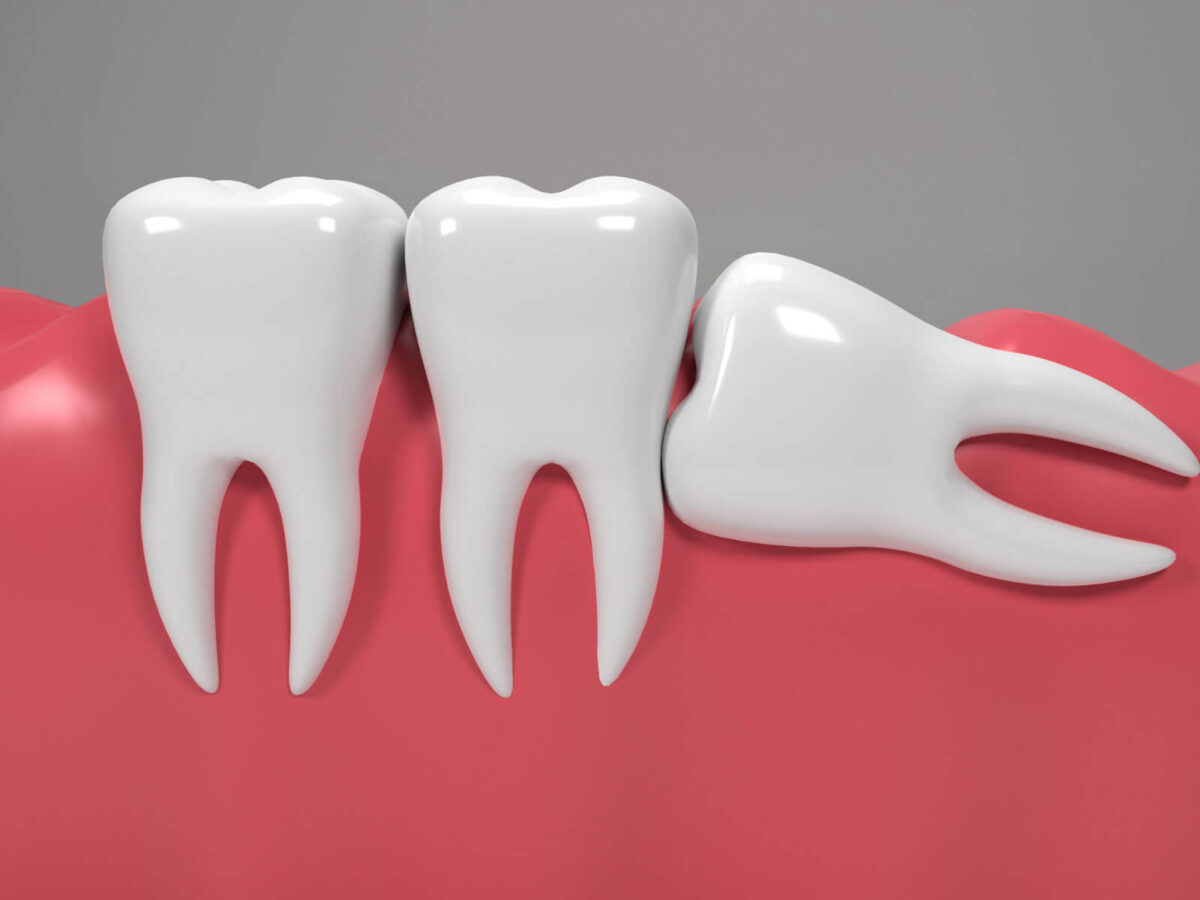
Wisdom Tooth Removal Recovery: Day-by-Day Timeline
Wisdom teeth are removed in dental clinics every day. But many patients worry more about the recovery.
Part of the concern comes from uncertainty. People want to know what recovery actually looks like. Will swelling last for days? When can normal eating begin again? When patients understand wisdom tooth removal recovery, many of their concerns become easier to manage.
Most recoveries move in predictable stages. The mouth heals gradually, and each day usually brings small improvements. The American Association of Oral and Maxillofacial Surgeons have done research on this. According to them, aftercare is very important. Rest helps the mouth recover after an extraction.
Day 1 — The First Hours After Surgery
The first day feels quiet and slow. Patients usually leave the dental office with gauze placed over the extraction area. The purpose is simple. Gentle pressure helps a blood clot form in the socket.
That clot is extremely important. It protects the underlying bone and nerves during the earliest stage of healing. For this reason, dentists often emphasize strict removal of the wisdom tooth aftercare during the first 24 hours.
Some swelling usually begins during this time. The body is reacting to the procedure. Cold packs along the jaw help control swelling. Patients often spend the day resting. Drinking water and eating soft foods are common.
Day 2 — Swelling Becomes More Noticeable
Day two of recovery often brings the most noticeable swelling. This can worry some patients. The surgery happened yesterday, but the jaw may appear larger today. Many people find that unexpected.
In reality, the body is responding normally. Around this time, the swelling is often at its highest. An ice pack along the jaw can help keep it down. Pain medicine from the dentist may also help if the area starts to ache.
Meals usually remain simple during this time. Food choices remain gentle on the mouth. Yoghurt and soup are common during this period. Drinking water regularly can also help. Fluids support the body while healing continues.
Day 3 — The Changing Point
Recovery often starts to feel easier around the third day. During wisdom tooth removal recovery, swelling usually stops increasing around this time. Instead, it begins to level off and slowly settle.
Discomfort often improves as well. The extraction area may remain tender, but the sharper pain from the earlier days usually decreases. Many patients feel comfortable moving around more normally and returning to simple routines.
Some dentists advise using a simple saltwater rinse during this stage. It helps remove leftover food from the mouth. It also helps maintain a cleaner environment around the extraction site. Gentle rinsing helps protect the clot that forms during healing.
Days 4 And 5 — Gradual Improvement
By the fourth and fifth days, recovery usually becomes more comfortable. At this stage of wisdom tooth removal recovery, swelling often begins to ease. The area may still feel tender for a short time. Pain usually becomes less noticeable. Some people also see bruising near the jaw or cheek.
Many patients also notice their energy returning. Many patients begin moving more comfortably during this time. Simple daily tasks often become easier. Some people start returning to work or normal routines.
Meals usually become more comfortable around this time. Soft pasta and cooked vegetables are common choices. Hard foods should still wait. The mouth usually needs more time before those foods feel comfortable again.
Days 6 And 7 — Noticeable Progress
Many patients begin feeling better by the end of the first week. Around this time, they also get a clearer idea of how long to recover from wisdom tooth removal. The mouth usually feels calmer and more comfortable. Swelling usually keeps improving. New gum tissue also begins forming over the extraction site.
Even though the area feels better, recovery is still ongoing. The protective blood clot inside the socket remains important. It covers the sensitive tissue underneath. If the clot is lost too early, a painful condition known as dry socket may develop.
The American Dental Association explains that dry socket occurs when the protective clot becomes dislodged before the tissue underneath has healed. This leaves the area exposed and sensitive.
Patients are usually advised to protect the area during this stage. Smoking is often avoided because it can disturb healing. Drinking through a straw may pull on the clot. This can slow healing. Gentle care is important during this time.
Week Two — Continued Healing
The second week usually feels far more comfortable. Most swelling has disappeared by this stage. The gums continue closing over the extraction area.
A follow-up visit may be arranged during this part of the healing. Dentists examine the area and observe wisdom tooth removal recovery. This helps confirm that the mouth is healing normally.
Eating also becomes easier over time. Crunchy foods may still cause mild discomfort. Many patients slowly begin eating their usual foods again.
What Recovery Usually Looks Like
Every recovery is slightly different. Some people feel almost normal after several days. Others need closer to two weeks before the mouth feels completely comfortable.
The short answer to how long to recover from wisdom tooth removal usually falls within one to two weeks for the initial healing phase. Healing inside the bone continues for several weeks, though most patients do not notice it. Many people return to normal daily activities within three to five days.
Common Symptoms During Wisdom Tooth Recovery
A few symptoms are considered normal during wisdom tooth removal recovery. Mild bleeding may appear during the first several hours after surgery. This usually settles once the clot begins to form. Swelling around the jaw often follows and may increase slightly during the early stages of healing.
Jaw tightness may occur during the healing period. The muscles near the extraction area sometimes feel tense. Some patients notice this while chewing or opening their mouth. The feeling usually fades as swelling goes down. A dentist should be contacted if severe pain or fever begins. Infection may be the cause.
Tips That Support Smooth Healing
Healing often becomes smoother when patients follow simple care guidelines. Rest during the first day remains helpful. Keeping the head elevated while lying down may also help control swelling.
Cold packs often help during the first part of recovery. Warm compresses may feel better once the swelling begins to ease. Oral hygiene should still continue carefully. Teeth can be brushed gently while the surgical area is left untouched. Careful wisdom tooth removal aftercare often helps reduce the chance of problems during recovery.
FAQs
How long does recovery usually take?
Many patients feel a lot better after about a week. The mouth continues healing after that. Gum tissue may need several more weeks.
What foods can I eat after the procedure?
Most people start with soft meals. Things like yoghurt and soup are good. Other options include mashed potatoes or eggs. These are easier on the mouth. Crunchy or hard foods usually wait a bit longer.
When is everything completely healed?
Pain generally improves after a few days. Deeper healing continues quietly after that. Many patients do not notice this stage.
What should I avoid after the extraction?
Smoking and straws are usually discouraged at first. Heavy exercise may also need to wait. These activities can disturb the clot that protects the area.
Final Thoughts
Many people feel nervous before wisdom tooth surgery. In reality, wisdom tooth removal recovery often progresses in a predictable way. The first few days may bring swelling and mild soreness. After that, improvement usually becomes easier to notice.
When patients understand wisdom tooth removal recovery, they usually know what to expect. Following aftercare instructions also becomes easier.
Anyone planning a wisdom tooth extraction should ask their dentist about the removal of wisdom tooth aftercare. The same advice applies if you are already recovering. Good instructions and follow-up care often make recovery smoother.