Blog
Dental hygiene tips for healthy teeth & gums
What Are Dental Sealants? How They Work, Benefits, and Costs
A lot of parents first hear about sealants during a cleaning appointment. The dentist checks the molars for a minute and suddenly starts talking about cavity prevention. Then the questions begin. What are dental sealants? What are dental sealants for? Do kids really need them?
The conversation comes up constantly in pediatric dental offices because cavities in back teeth happen early. According to the CDC, children without sealants have nearly three times more cavities in permanent molars than children with sealants.
Dentists recommend sealants heavily during the years when adult molars first come in. That CDC statistic is a big reason why. Those back teeth do a lot of work and usually collect plaque fast. The actual procedure is simple, though. Much simpler than people expect.
What Are Dental Sealants
When people ask “what are dental sealants?”, dentists usually describe them as thin protective coatings placed on the chewing surfaces of molars. Mostly the back teeth, and sometimes premolars too.
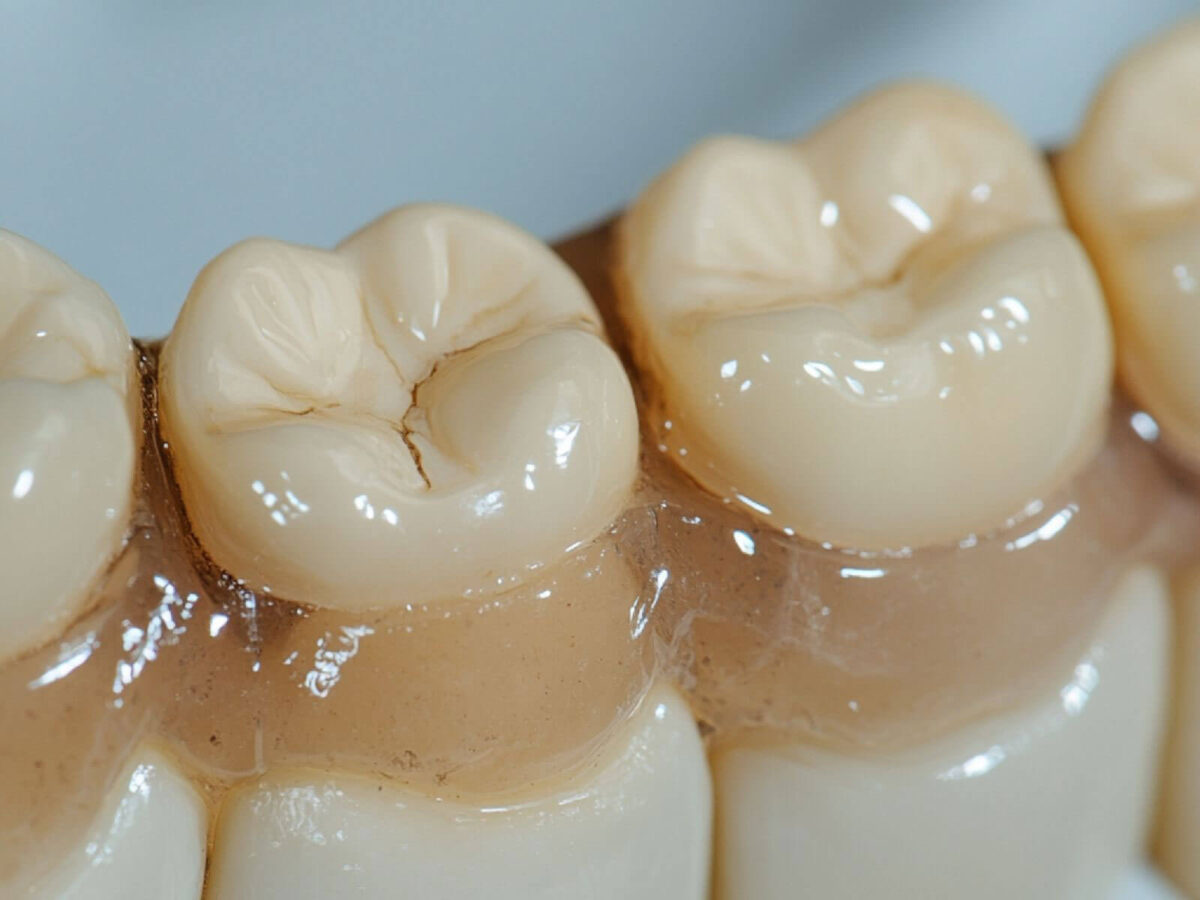
The grooves on molars are not smooth at all. Some are deep and narrow. Food gets stuck there easily. Plaque sits there longer, too. That is really what dental sealants are for. They cover those grooves before cavities begin forming inside them.
Sealants are used to help stop cavities early. Fillings are needed after the tooth becomes damaged. That distinction matters.
Some children hardly notice the sealants after placement. Most adults forget they are even there within a few days.
What Are Dental Sealants Used For
“What are dental sealants used for?” mostly comes down to cavity prevention on chewing surfaces. Dentists place them on healthy teeth that do not already have large cavities or heavy restorations. Molars are usually the focus because brushing those back grooves thoroughly is harder than people think.
Children get sealants more often because new permanent molars are extremely vulnerable during the first few years after eruption.
The National Institute of Dental and Craniofacial Research reported that more than 50% of adolescents aged 12 – 19 have experienced cavities in permanent teeth. That number stays surprisingly high even now.
Adults sometimes get sealants, too. Especially if the grooves are deep and the cavity history keeps repeating itself on the back teeth.
How Do Dental Sealants Work
People searching “how do dental sealants work” usually imagine something complicated happening during the appointment. It is actually quick.
The tooth gets cleaned first and dried carefully afterward. A conditioning gel is placed briefly so the sealant bonds better to the surface. Then the liquid sealant flows into the grooves of the tooth and hardens under a curing light. That is basically the appointment. Most of the time, there is no drilling involved. Injections are usually not needed either.
So, “how do dental sealants work” after placement? They create a smoother surface over the deep pits where bacteria usually collect. Less food stays trapped there during the day. Molars become easier to brush afterward, too.
What Are Dental Sealants Made Of
People ask “what are dental sealants made of” more often now because patients read ingredient discussions online before appointments. Most modern sealants are resin-based materials. Some are glass ionomer materials. Resin sealants tend to last longer in many situations, especially on permanent molars. The material begins as a liquid coating and hardens quickly during treatment.
Questions about BPA still come up sometimes online. The American Dental Association continues to state that dental sealants are considered safe and that BPA exposure from sealants is extremely low.
Most dentists spend far more time talking about cavity prevention than discussing sealant ingredients in detail.
Why Children Often Get Sealants Early
Timing matters with sealants. Dentists often recommend them soon after permanent molars erupt because decay can begin surprisingly early in those teeth. Especially first molars around age six.
Children often brush too quickly. Snacks also happen constantly during school years. The grooves on molars trap things easily, even in kids with decent brushing habits.
That is one reason discussions about “what dental sealants are for” usually focus heavily on children and teenagers. Once large cavities start forming, sealants are no longer the right treatment for those areas.
What Dental Sealants Actually Help With
The biggest benefit is lowering cavity risk on back teeth. That part stays consistent in almost every dental conversation about sealants. Sealants can also reduce future dental treatment. Fewer fillings and less drilling. Sometimes, there are fewer crowns later on if molars stay healthier over time.
Parents usually like how quick the procedure feels, too. Some appointments take only a few minutes per tooth. Another thing people notice is peace of mind during those cavity-prone years, especially for children who already seem to develop decay faster than their siblings.
What Problems or Downsides Can Dental Sealants Have
Dental sealants wear down gradually with time. Sometimes tiny pieces break away without the patient noticing right away. That is why dentists often examine sealants during cleanings to look for cracks or worn areas. Small touch-ups are sometimes needed later.
Some patients notice the sealant surface during the first few days.
Younger patients usually notice the sealants more at first. They still need normal brushing and flossing routines, though. Dentists repeat that constantly because some people start assuming the teeth are fully protected afterward. They are better protected. Not invincible. If decay already exists deep inside the tooth, sealants are not usually enough anymore.
How Much Do Dental Sealants Cost
Dental sealant costs usually depend on the office and insurance coverage. In many places, the price falls somewhere around $30 – $70 per tooth in 2026. Larger pediatric offices in bigger cities sometimes charge more.
Parents asking “what are dental sealants” often compare the cost with the price of fillings later. Insurance commonly helps cover sealants for children once the permanent molars come in. Adult coverage is usually less predictable, though.
Why Are Molars the Main Target for Sealants
Front teeth are naturally smoother. Molars are rougher and deeper. They handle most chewing pressure, too. Tiny grooves run across the surface and trap food constantly. Some molars have grooves so narrow that toothbrush bristles barely reach into them properly.
That is another reason people searching “what are dental sealants used for” keep seeing molars mentioned repeatedly. Sealants mainly protect those difficult-to-chew surfaces.
Can Adults Get Sealants, Or Is It Just For Kids
A lot of adults think sealants are only for school-aged children. Dentists do place them more often during childhood, especially once the permanent molars come in. Still, adults can get them, too, in certain cases.
Deep grooves make some molars much harder to clean properly. If cavities repeatedly develop there, sealants may still help certain adults. Teeth with major fillings or worn chewing surfaces are usually not the best candidates, though.
FAQ
What do dental sealants help with?
Sealants help lower cavity risk on back teeth.
How do sealants help after they harden?
They seal grooves that are difficult to clean well with brushing alone.
What are dental sealants made of in most offices?
Usually, a liquid resin material. It hardens under a curing light.
Do sealants feel strange afterward?
Some children notice them briefly. Adults usually stop noticing them quickly.
How long can sealants stay on teeth?
Quite a few have lasted many years. Some need touch-ups earlier.
Conclusion
People hear about sealants all the time during dental visits and still leave wondering “what are dental sealants” and what can they actually do for the teeth. The answer stays pretty simple overall.
They protect the grooves on molars where cavities usually start forming first. The procedure is quick and usually painless. It is often done during routine preventive visits.
Questions about “how do dental sealants work” or “what are dental sealants made of” come up naturally because parents want to understand what is being placed on permanent teeth. That makes sense.
If molars have deep grooves or a cavity history keeps showing up during checkups? Sealants are worth discussing with a dentist before larger dental work becomes necessary later.