Blog
Dental hygiene tips for healthy teeth & gums
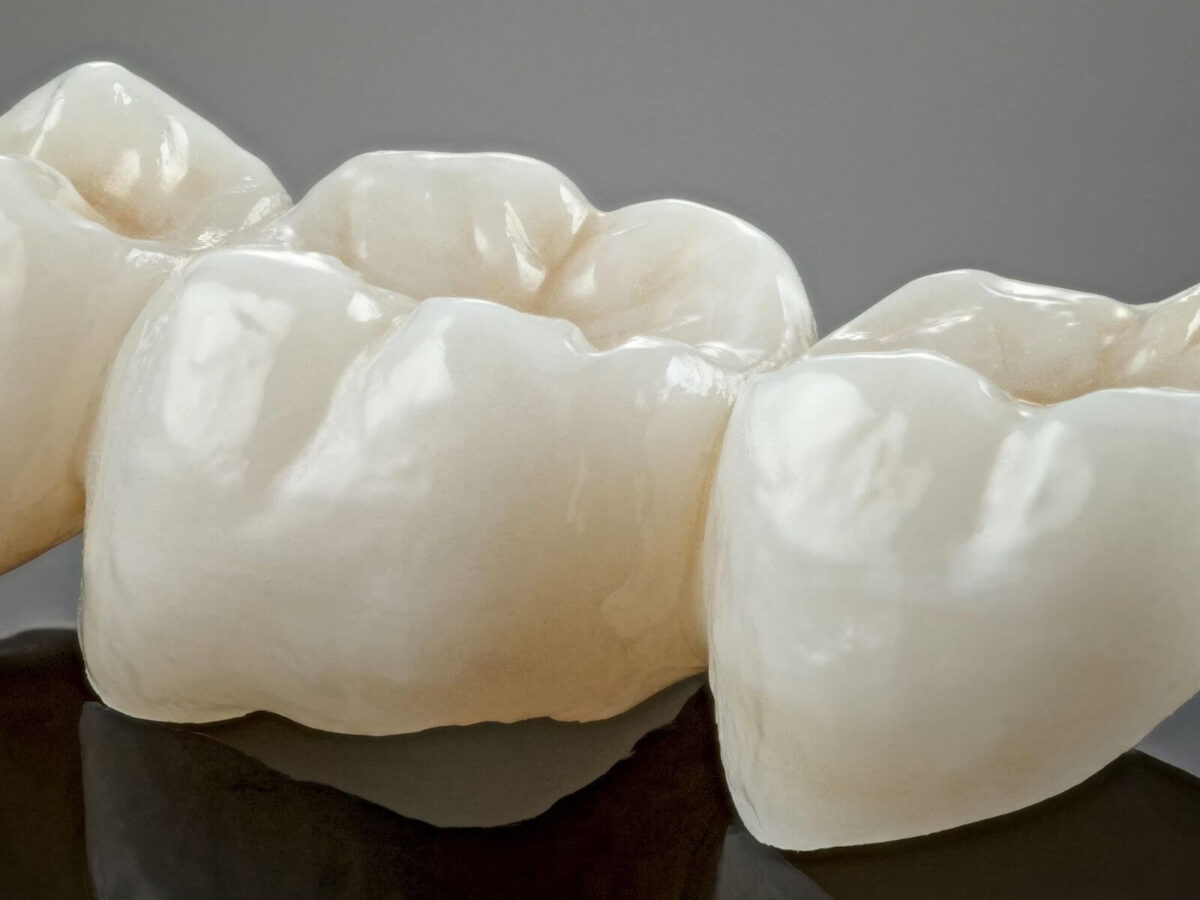
7 Downsides of Dental Crowns Your Dentist Might Not Mention
Dental crowns are usually talked about as an easy solution. The tooth gets covered, feels stronger, and works again. But when you experience it yourself, it doesn’t always feel that straightforward.
There are a few things people don’t always hear beforehand. Not because anyone’s hiding them. They just don’t always come up unless you ask. And sometimes, you only notice these things after the crown is already there. That’s when the disadvantages of dental crowns start to feel more real, not just something you read or heard before.
1. Sensitivity That Stays Longer Than Expected
One of the first things people tend to notice is sensitivity. It’s usually described as temporary, and a lot of the time, it does settle down. Sometimes it just doesn’t settle quickly. If the tooth was already sensitive, you feel it more. Cold drinks hit sharper, and even air can trigger it a bit.
Doesn’t happen to everyone. But when it does, it just takes time to ease. And in that period, things can still feel a little off. It can feel like the treatment is done, but not completely comfortable yet.
2. The Tooth Structure That Gets Removed
This part tends to get missed. The tooth has to be shaped down before the crown is placed. Just enough to make room. Some of the natural structure is removed in that step, and it stays that way. It helps with the fit, but it can’t be reversed later.
After that, the crown does protect the tooth, but only because it was shaped down first. That’s one of those less obvious disadvantages of dental crowns that people don’t always consider beforehand.
3. Crowns Don’t Last Forever
People think that the crowns last forever, but they don’t. They do last a while, sometimes more than ten years. But over time, things can shift a bit. They might wear down or loosen slightly. And eventually need replacing. Things like care, habits, and material all play a part.
The Cleveland Clinic mentions that crowns usually last around 5 – 15 years. It all depends on care and conditions. So they last, just not forever.
4. When a Crown Starts to Loosen or Wear
They’re strong, yes, but not something that stays exactly the same forever. Grinding or biting on hard stuff over time can affect them a bit. It’s usually gradual, not sudden. From the outside, it might still look okay. But underneath, things don’t always stay as tight as they were at first.
You don’t always notice it straight away. It might show up while eating, or even when you’re flossing, and something feels slightly off. These are the kind of problems with crowns that start small, but can turn into bigger issues if left alone.
5. Gum Irritation Around the Crown
Not everyone picks up on this, but it can occur. The gum area around the crown can feel a little off if the fit isn’t exact. Not really pain, just slight discomfort.
And then there’s food getting stuck. That happens more easily around crowns, and if it’s not cleaned out properly, it can lead to irritation after some time. Not always a big issue, but still noticeable.
It’s usually manageable with proper cleaning. But it’s still one of those problems with capped teeth that people notice after the procedure, not before.
6. Color Matching Isn’t Always Perfect
Crowns are supposed to match your teeth, and honestly, in the beginning, they usually do a decent job. At the start, it doesn’t stand out much. It just fits in with the rest.
The change happens slowly, though. Natural teeth can shift in color over time, while the crown usually remains the same. That difference can lead to a slight mismatch later. It’s not obvious in the beginning. Over time, and depending on the light or where it is, it can start to look more noticeable than before.
7. Underlying Issues Can Still Develop
A lot of people misunderstand this. Just because a crown is placed doesn’t mean the tooth is completely safe from problems. Decay can still form near the edges if bacteria build up. The original tooth is still underneath. It’s just covered. So taking care of it is still important.
A crown doesn’t mean you can relax on oral care. It still matters just as much. The CDC also mentions that keeping up with hygiene helps avoid further issues down the line. So a crown helps. But it doesn’t eliminate risk completely.
Why These Downsides Don’t Always Come Up First
Most dental conversations focus on the benefits. That makes sense, because crowns do solve real problems. They restore function, protect weakened teeth, and often prevent the need for extraction. So the positives come first.
The downsides aren’t hidden, but they’re not always the starting point of the discussion either. They tend to come up when you ask more detailed questions, or after you’ve already had the procedure.
Does This Mean You Should Avoid Crowns
Not really. Crowns are still pretty reliable overall. People get crowns all the time, and usually, there aren’t major issues. More than anything, they help keep the tooth in place, which is often the main goal anyway.
At the same time, having some idea about the disadvantages of dental crowns just makes things clearer. It’s not really about avoiding it. Just understanding what might come with it, so things don’t feel unexpected later.
What Makes a Better Experience Overall
A few things influence it, really. The way the crown is planned, the material used, and how well it ends up fitting all make a difference. Those details matter more than people expect. After that, it’s mostly about upkeep. Daily care, even the basic stuff, can make a difference over time.
But then again, not everyone runs into problems. Some people are completely fine for years without thinking about it much. Regular checkups just help keep things in check, nothing complicated. There are a few downsides, sure. But not everyone really runs into them. The experience is just different for everyone.
FAQs
1. What kind of disadvantages of dental crowns do people usually notice?
They help, for sure. That part’s not the issue. But then again, some people do mention sensitivity at first. Sometimes the gums around it feel a little off, or the crown slowly starts to wear down over time.
2. Can crowns lead to any issues over time?
It’s usually nothing major. Still, crowns can loosen a bit after years, or feel off sometimes. And if oral care slips even a little, decay can show up where the crown meets the tooth.
3. Do crowns damage natural teeth?
They don’t damage them in a harmful way, but yes, the tooth has to be reshaped. That change can’t be reversed.
4. How long do crowns last?
It’s usually around 5 to 15 years. Though honestly, some last quite a bit longer if everything is maintained properly.
Conclusion
Most people don’t really hear much about the disadvantages of dental crowns in the beginning. The focus usually stays on how they fix the tooth, which makes sense. But there’s another side to it, too, and it helps to be aware of the problems with crowns before you move ahead.
If a crown has been suggested, you don’t have to jump into a decision straight away. Most people don’t, to be honest. You don’t have to decide right away. Take some time with it and bring up even the small doubts. It’s just about feeling sure. When you’re ready, book a visit and go over it properly with your dentist.