Blog
Dental hygiene tips for healthy teeth & gums
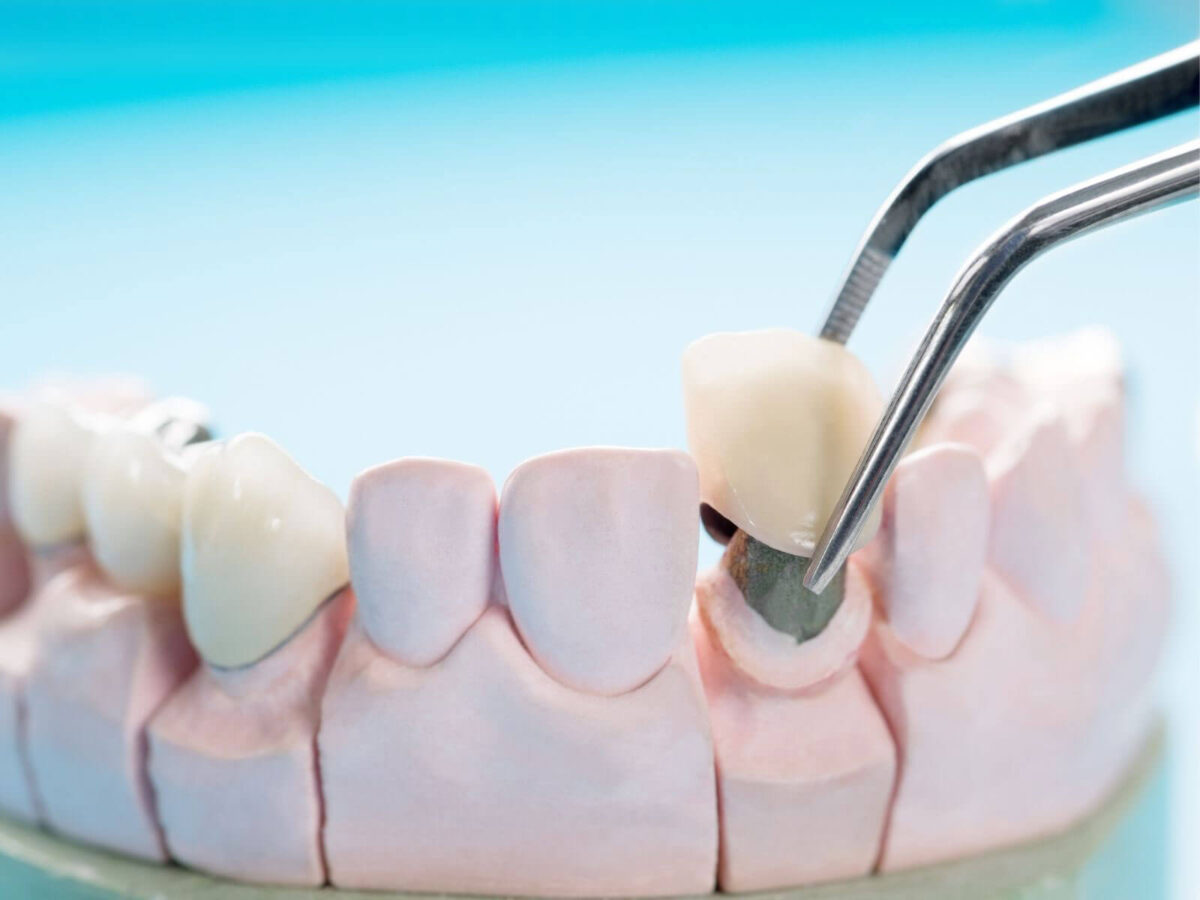
How Long Do Dental Crowns Last? Lifespan by Material and Care Tips
Dental crowns are supposed to protect damaged teeth for years. That is usually the expectation people walk in with after paying for one.
Then, eventually, you start asking questions like: How long do crowns last, really? Why did one crown stay perfect for fifteen years while another cracked much earlier? Does the material matter that much? Can grinding ruin crowns faster?
The answer varies because crowns handle daily pressure for many years. Chewing pressure, nighttime grinding, clenching habits, and temperature changes slowly affect them over time. Older fillings beneath the crown can influence things, too.
The American College of Prosthodontists estimates that around 2.3 million implant-supported crowns are made every year in the United States, along with millions of traditional crowns placed on natural teeth. Most crowns do last a very long time. Just not forever.
How Long Do Crowns Last On Average
The average answer to “how long do crowns last” is usually somewhere from 10 to 15 years. Some crowns stay in good shape for decades. Dentists regularly see crowns lasting twenty years or longer when the supporting tooth remains healthy and grinding or decay does not develop around the edges. Other crowns fail much sooner.
A cracked porcelain crown or decay under the edge of the restoration can shorten the lifespan pretty quickly. Back molars usually experience more wear because chewing forces are heavier there.
Questions about “how long do crowns usually last” often depend less on the crown itself and more on the condition of the tooth underneath it. That part gets overlooked sometimes.
What Changes Crown Lifespan Over Time
Questions about “how long do crowns usually last” often come down to several factors at once. Material plays a big role. Gold crowns tend to resist cracking very well under chewing pressure.
Many porcelain crowns look extremely natural once placed on the tooth. The material can chip sometimes under stronger force, though. Zirconia crowns became increasingly popular because they are both durable and tooth colored.
The location of the crown matters too. Molars deal with much heavier pressure compared to front teeth. Patients who grind their teeth at night often wear crowns down faster as well.
The Journal of Prosthetic Dentistry has published research showing that many crowns last beyond 15 years when maintained properly. Others fail sooner because of leakage, cracks, or decay near the margins.
How Long Do Crowns For Teeth Last By Material
Different materials age differently inside the mouth.
Porcelain crowns that are fused to metal often last around 10 to 15 years. Full gold crowns sometimes survive 20 years or longer.
Zirconia crowns are newer compared to traditional gold restorations, although early long-term studies look promising. Composite crowns usually wear down sooner.
This is why questions about “how long do crowns for teeth last” rarely have one fixed answer. A patient with a gold crown on a back molar may get decades from it. Someone grinding heavily on porcelain may need replacement much earlier. The type of bite matters constantly. So does oral hygiene.
What Usually Damages Dental Crowns
A crown itself cannot decay, although the tooth under it still can. That surprises some people. Bacteria can sneak under crown margins slowly if flossing becomes inconsistent or if the crown fit weakens over time. Small gaps allow decay to spread underneath without obvious symptoms early on.
Grinding is another major problem. Dentists see cracked porcelain frequently in patients who clench heavily during sleep. Ice chewing damages crowns, too. Same with opening packaging using teeth.
The National Institute of Dental and Craniofacial Research explains that untreated tooth decay remains one of the leading causes of restoration failure in adults. A crown usually fails because something around it changes. Not because the crown suddenly stops working one random day.
How Do Dentists Know A Crown Needs Replacement
Certain crowns become visibly loose over time. Others show smaller warning signs that dentists only notice during exams. Dark areas near the margins, cracks, worn surfaces, and gum irritation around the tooth can all matter. Some patients also develop pain during chewing.
The question of “how long do crowns last” becomes more important once a crown reaches an older age because materials gradually wear down after years of constant use. Some crowns still look perfectly fine externally, even when decay forms underneath. That hidden damage is why regular exams matter.
Why Do Back Tooth Crowns Wear Faster
Molars absorb enormous pressure daily. They handle the heaviest chewing force during daily eating. Hard foods repeatedly stress the crowns there. Nighttime grinding usually affects molars first, too.
This shortens the answer to “how long do crowns last” for some back teeth compared to front teeth that experience lighter pressure overall.
Large root canal-treated molars also become more brittle underneath crowns. The crown protects the tooth structure, although deep cracks can still happen in certain situations. Dentists monitor crowned molars pretty closely during routine exams for this reason.
Can Dental Crowns Last For Life
Sometimes they do, although it is not very common. A crown lasting for life usually depends on excellent hygiene, healthy gums, low grinding pressure, and a stable tooth underneath the restoration. Even then, the mouth changes slowly over time. Gums recede, and bite pressure shifts. Older dental work gradually weakens, too.
Questions about “how long do crowns usually last” often come from patients hoping crowns are permanent. Dentists usually describe them as long-term restorations instead. That wording matters a little. Long-term is not always lifetime.
What Habits Help Crowns Last Longer
Daily habits matter more than many people expect. Flossing around crowns helps protect the margins where bacteria tend to collect.
Night guards reduce grinding damage significantly in some patients. Regular cleanings matter because tartar buildup around crowns irritates gums quickly. Hard candy and ice chewing create problems, too.
Patients asking “how long do crowns for teeth last” often focus entirely on crown material while overlooking these smaller habits happening every day. Those little habits add up after years.
Why Are Older Crowns Sometimes Replaced Even Without Pain
Not every failing crown hurts immediately. Some old crowns simply stop fitting tightly against the tooth over time. Others develop worn margins where bacteria enter underneath slowly.
Many dental problems appear on X-rays before pain begins. This is why dentists sometimes recommend replacing crowns that technically still feel comfortable to the patient. The underlying tooth may already show decay or structural breakdown. That early replacement sometimes prevents bigger treatment later.
FAQ
How long do crowns usually last in dentistry?
A lot of crowns remain functional for 10 – 15 years or longer.
Can certain crowns last over 20 years?
Yes. Dentists sometimes see crowns lasting decades with good maintenance.
Which crown material lasts the longest?
Gold crowns usually hold up extremely well under chewing pressure.
Can teeth still get cavities under crowns?
Yes. Cavities may still develop near the edges of the crown.
Does grinding shorten crown lifespan?
Teeth grinding at night can put constant pressure on dental crowns.
Conclusion
The answer to “how long do crowns last” depends on several things happening together over time. Crown material matters. Grinding habits matter. Gum health matters too. The condition of the original tooth underneath plays a huge role as well.
With good maintenance, many crowns continue functioning well beyond ten years. Some crowns fail earlier because cracks or decay develop near the edges. Heavy chewing pressure can gradually weaken the restoration, too.
Regular dental exams help catch small crown problems early. That usually prevents larger damage underneath the restoration later.
If a crown starts feeling loose or painful during chewing? It is best to get it checked sooner. Waiting too long can allow the problem to spread deeper underneath the crown.