Blog
Dental hygiene tips for healthy teeth & gums
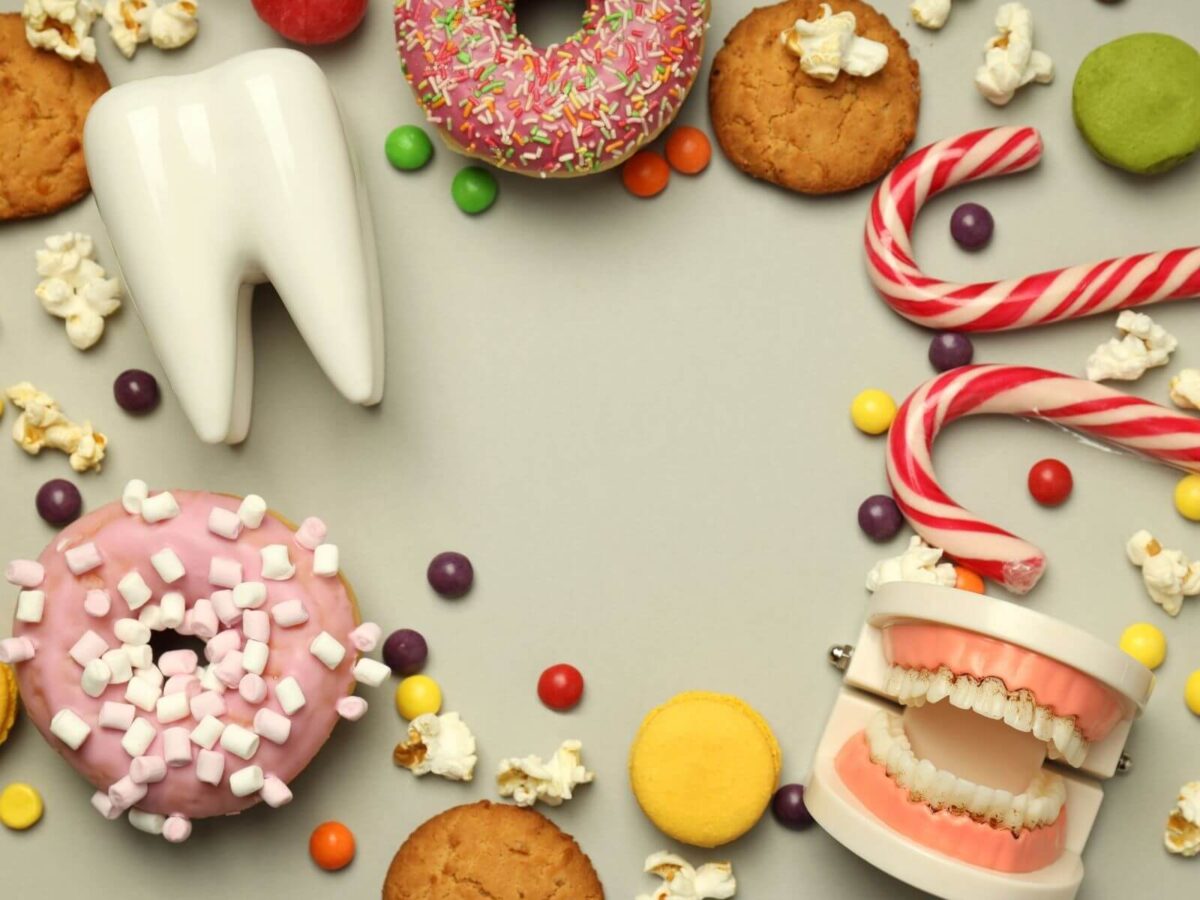
10 Everyday Foods That Are Quietly Damaging Your Teeth
You don’t really sit and think about your teeth while eating. It’s just not how people approach food. You think about taste, maybe health in a general way, sometimes calories, sometimes not. But teeth? That usually only comes into the picture when something feels off. And that’s kind of the problem.
Because a lot of what affects your teeth doesn’t feel obvious while it’s happening, there’s no instant reaction. No clear moment where you think, “Okay, that just damaged something.” It’s slower than that. Almost quiet. You eat something, you move on, and nothing feels different.
Then weeks or maybe months later, you notice sensitivity. Or your teeth don’t feel as smooth. Or something just feels slightly off, and you can’t really trace it back to anything specific. That’s usually how foods bad for teeth work. Not dramatic, just consistent.
It Doesn’t Start With Pain (That Comes Much Later)
At the start, you just ignore it. You think maybe it is just one of those days when your teeth feel sensitive. Drinking cold water feels painful. The pain stays for a second and then quickly goes away.
And because it vanishes, many people just assume it is nothing.
Other times, your teeth might feel a little rough when your tongue runs over them. Not something alarming, just slightly different if you pay attention. Since it doesn’t feel urgent, it usually gets brushed off. That’s how foods that damage teeth start to have an effect.
Slowly, over time, and without making it obvious enough for you to react right away.
Sticky Foods Stay Longer Than You Think They Do
Some foods don’t come off your teeth as easily as you might think. Dried fruits are one example. They seem fine, even healthy, and they are in many ways. But they tend to stick. Small bits can stay between teeth or along the gum line. The same happens with chewy snacks, often seen as foods bad for teeth over time. Granola bars do this too. You stop noticing them. But they’re still there. They don’t really go anywhere. And the longer they sit, the more bacteria can act. That’s where things begin to shift.
The ADA points out that foods that cling to teeth increase the risk of decay because they stay longer. So it’s not just about what you eat. It’s also about how long it stays behind after eating.
What You Drink Matters Too
This is where people underestimate things. You don’t usually treat drinks the same way as food. You sip them casually. While working, while watching something, sometimes without even thinking about it. But that’s exactly what makes them more impactful.
Because instead of one quick exposure, your teeth are getting repeated contact over a longer period. Especially with sweet or acidic drinks, that exposure builds up in a way that doesn’t feel obvious. Sodas are the obvious ones. Juices and energy drinks may seem harmless, but they really aren’t. The same goes for sweetened tea as well. It’s just not as obvious. But when you think about food harmful to teeth, drinks are right there as well.
Acid Works in the Background (You Don’t Feel It)
Acid doesn’t give you a clear signal. That’s what makes it tricky. Citrus fruits and certain packaged juices soften enamel gradually. Not enough to notice right away, but over time, it starts to wear things down. You won’t feel enamel thinning. You’ll feel sensitivity later.
The CDC points out that repeated acid exposure can wear down enamel over time. And the timing matters too. Brushing right after something acidic isn’t always ideal. Your teeth can be a bit softened at that point. People don’t really think about it. Not unless it’s pointed out.
Crunchy Doesn’t Always Mean Safe
Crunchy foods feel like the safer option. They’re not sticky. They don’t feel sugary. But foods like chips or crackers break down into very fine particles, and those particles settle into places you don’t really notice. Between teeth. Along the edges of the gums. They sit there quietly. And once they break down further, they behave a lot like sugar in the way bacteria interact with them. You don’t usually think of them as foods bad for teeth. But they still count in their own way.
Snacking Frequency Changes Everything
It’s not always just about what you eat. Sometimes it comes down to how often you’re eating. If you keep having something throughout the day, your teeth don’t really get a proper break. Every time you eat, acid levels go up in your mouth. Usually, saliva helps bring things back to normal. But if you keep eating again and again, that balance doesn’t fully return. So your teeth stay in that “under attack” phase longer than they should. It doesn’t stand out in the beginning. It adds up gradually.
Coffee and Tea – The Big Culprits
Coffee and tea feel normal. You don’t really question them. And compared to sugary or acidic drinks, they don’t seem that harsh. But over time, they still have an effect. Staining happens, and sugar makes it worse.
They’re also sipped slowly, not in one go. So your teeth stay exposed for longer without you noticing. All of these effects add up and result in damage to your teeth.
Hard Foods Add a Different Kind of Damage
Not everything is about decay. Sometimes it’s just wear, and that part gets missed. Ice, hard sweets, or biting into something hard can stress your teeth a bit. You don’t really notice it when it happens.
You might not notice it right away. But small chips or slight cracks can happen. Over time, that makes teeth more vulnerable. And once things change a little, other problems can start to follow.
Why It’s Easy to Miss All of This
Because nothing feels urgent. There’s no clear warning sign early on. No moment where you feel like you need to stop. Everything feels manageable, normal, even harmless. And then later, something changes. And it feels sudden. But it wasn’t. It just took time.
What Actually Helps
You don’t have to avoid everything. That’s not really how people work anyway. What helps more are small changes here and there. Maybe rinse your mouth after eating. Drinking some water after something sweet or acidic. Waiting a bit before brushing if you’ve had something acidic.
Spacing out snacks helps too. It’s nothing complicated. Just small things. But over time, they do make a difference.
FAQs
1. What foods are bad for teeth?
Mostly sticky or sugary stuff. Acidic things, too. The kind that sits on your teeth.
2. What kinds of foods that damage teeth actually create issues later on?
Sticky snacks come up a lot. Sugary drinks, too. And anything acidic can play a part.
3. Is fruit a food harmful to teeth?
Not really. But some fruits are acidic. Too often can affect enamel.
4. How to reduce the damage?
Rinse your mouth. Don’t snack all the time. Keep things clean.
Conclusion
Understanding foods bad for teeth isn’t really about cutting everything out. Most people don’t go that far anyway. It comes down to the small habits that repeat without much thought. Some foods that damage teeth don’t seem like an issue early on, but over time, they can start to add up.
Do your teeth feel a little different? It’s worth noticing. It might help to book a visit. No need to figure everything out by yourself. A quick check can clear things up. If something feels different, it’s okay to just have it looked at.