Blog
Dental hygiene tips for healthy teeth & gums
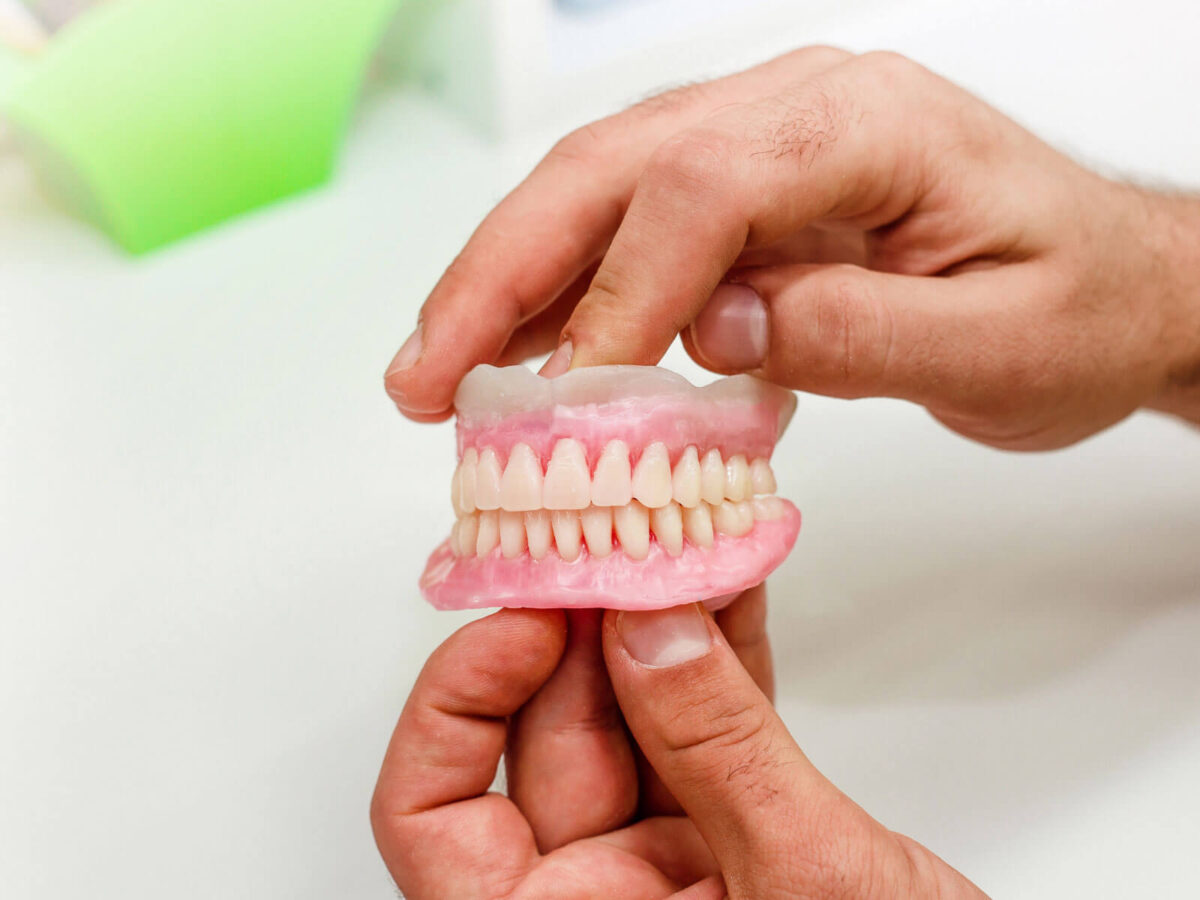
10 Signs You May Need Dentures
Most people don’t see dentures coming. The decision usually builds slowly, one problem at a time, until a dentist lays out the full picture and it suddenly makes sense. I’ve spoken to people who were completely blindsided by the recommendation, even though, looking back, the signs that you may need dentures had been stacking up for a couple of years.
Sign 1: Your Gums Bleed, and It’s Been Going On for a While
Bleeding gums that don’t settle down after a few days aren’t a brushing technique problem. Most people rinse with mouthwash and leave it at that. The ADA notes that advanced periodontitis breaks down the bone and connective tissue holding teeth in place, and that process is usually well underway before anyone notices something is wrong.
Occasional bleeding from aggressive brushing is one thing. Gums that bleed consistently, look puffy between brushing, or have been getting worse over months are a different situation. I’ve seen people manage this with better flossing for a year before a dentist tells them the damage is already done. Among the signs you may need dentures, this one tends to be the most ignored.
Sign 2: You Have Several Loose or Shifting Teeth
Loose teeth in adults mean bone loss. Gum disease works through the bone, holding teeth in place quietly, and by the time a tooth is visibly shifting position, the damage has usually been building for a while.
Someone I know noticed her bottom front teeth slowly spreading apart over about a year and assumed it was just aging. By the time she went in, three teeth were unsalvageable. Cleveland Clinic lists loose teeth as a hallmark sign of advanced periodontal disease. Multiple loose teeth at once is one of the signs you may need dentures, which tends to move the conversation quickly.
Sign 3: You’re Missing Several Teeth Already
Missing one tooth and missing several aren’t the same situation. Gaps spread across different parts of the mouth don’t just affect appearance. The remaining teeth start moving toward the empty spaces over time. Bite alignment shifts. Bone in the empty areas resorbs.
When you should get dentures in this situation depends on what the remaining teeth look like. The ADA notes that a partial denture fills gaps without removing healthy teeth, but when what’s left is too compromised, a full denture becomes the more practical path. I’ve seen people hold onto failing teeth for years, trying to avoid that conversation.
Sign 4: You Have Recurring Dental Infections or Abscesses
An abscess now and then, addressed promptly, is one thing. Multiple infections returning in different teeth over a short period is a pattern. At that point, individual treatments are patching over something that’s already spread further than one tooth.
Mayo Clinic notes that an untreated abscess can spread infection beyond the mouth. I’ve spoken to people who had the same tooth treated three times before a dentist laid out why saving it no longer made sense. Recurring infections across multiple teeth are among the signs you may need dentures that often get treated in isolation for too long.
Sign 5: Eating Has Become Genuinely Difficult
This one creeps up. People stop ordering certain things at restaurants. They start cutting food into smaller pieces without thinking about it. Harder foods get quietly dropped from the diet. Most people don’t register it as a problem. It just becomes the new normal.
Chewing pain has a few common sources. Decay that’s reached the nerve. A crack that’s opened up. Gum tissue that’s receded enough that pressure on the tooth hurts. When the difficulty is broad rather than isolated to one tooth, when to get dentures stops being an aesthetic question. I’ve spoken to people who said getting dentures gave them back foods they’d quietly given up on years earlier.
Sign 6: Your Face Is Changing Shape
The bone in the jaw stays dense because chewing puts pressure on it. Take the teeth away, and that pressure stops. The bone in those areas starts to resorb, and over time, the lower face changes shape with it. Cheeks look sunken. The chin appears closer to the nose. The lower third of the face loses the structure that teeth were providing.
People often notice it in photographs before they connect it to their teeth. I’ve spoken to people who thought they were just aging until a dentist showed them the bone loss on an X-ray. By the time the face is visibly changing, it’s usually one of the later signs that you may need dentures, and the process has been underway for years.
Sign 7: Your Teeth Are Severely Decayed or Crumbling
Some teeth reach a point where there isn’t enough healthy structure left to work with. Decay that’s eaten through most of the crown, teeth that are chipping or crumbling under normal use, and visible cracks that extend below the gum line. These are situations where filling or crowning the tooth stops being a viable option.
I’ve seen people hold on to teeth in this condition longer than made sense because they weren’t ready for the conversation about what comes next. NIDCR notes that early treatment preserves more options. When several teeth are in this state at once, extraction stops being the last resort. It becomes where the treatment plan starts.
Sign 8: You Keep Putting Off the Dentist
Decay progresses quietly. Gum disease advances without pain. Bone loss doesn’t show up without X-rays. Years without a professional look mean problems that could have been caught early aren’t caught until they’re significant.
I’ve spoken to people who went back after eight or ten years for something minor and found out multiple teeth couldn’t be saved. Not because they’d been careless. Just because nobody had been watching.
Sign 9: Your Existing Dental Work Is Failing Repeatedly
A filling that falls out once isn’t unusual. The same filling coming out twice, a crown that won’t stay, a bridge that’s been reattached more than once. At some point, that stops being bad luck.
I’ve spoken to people who spent years getting the same crown re-cemented before a second opinion told them the tooth had been unviable for a while. Recurring failed restorations are among the signs you may need dentures that tend to get addressed one repair at a time instead of being looked at as a pattern.
Sign 10: Your Dentist Has Mentioned It More Than Once
Dentists don’t raise dentures casually. When it comes up, there’s a clinical reason. Bone loss on X-rays. Teeth that can’t be saved. Gum disease that’s moved past what treatment can reliably address.
If it comes up at two appointments in a row, that’s not a conversation to keep putting off. I’ve seen people deflect it for a year or two and arrive at the same place with fewer options.
FAQ
Is there an age when dentures become likely?
Not really. Gum disease and injury don’t check your birth year first.
Can dentures look natural?
Twenty years ago, dentures looked like dentures. That’s less true now. A good fit makes a bigger difference than most people expect.
Do dentures affect eating?
There’s an adjustment period. What you can eat comfortably expands as you get used to it.
Does bone loss continue after getting dentures?
Without roots stimulating it, the bone slowly resorbs. Implant-supported dentures are the only option that addresses that directly.
Conclusion
The signs you may need dentures don’t tend to arrive dramatically. Something feels off while eating. A tooth shifts. Gums that never quite settle down. Most people only connect the dots looking back.
If several of the signs in this article sound familiar, the next step is a full dental assessment. Not to confirm the worst, but to find out where things actually stand before the options narrow.