Blog
Dental hygiene tips for healthy teeth & gums
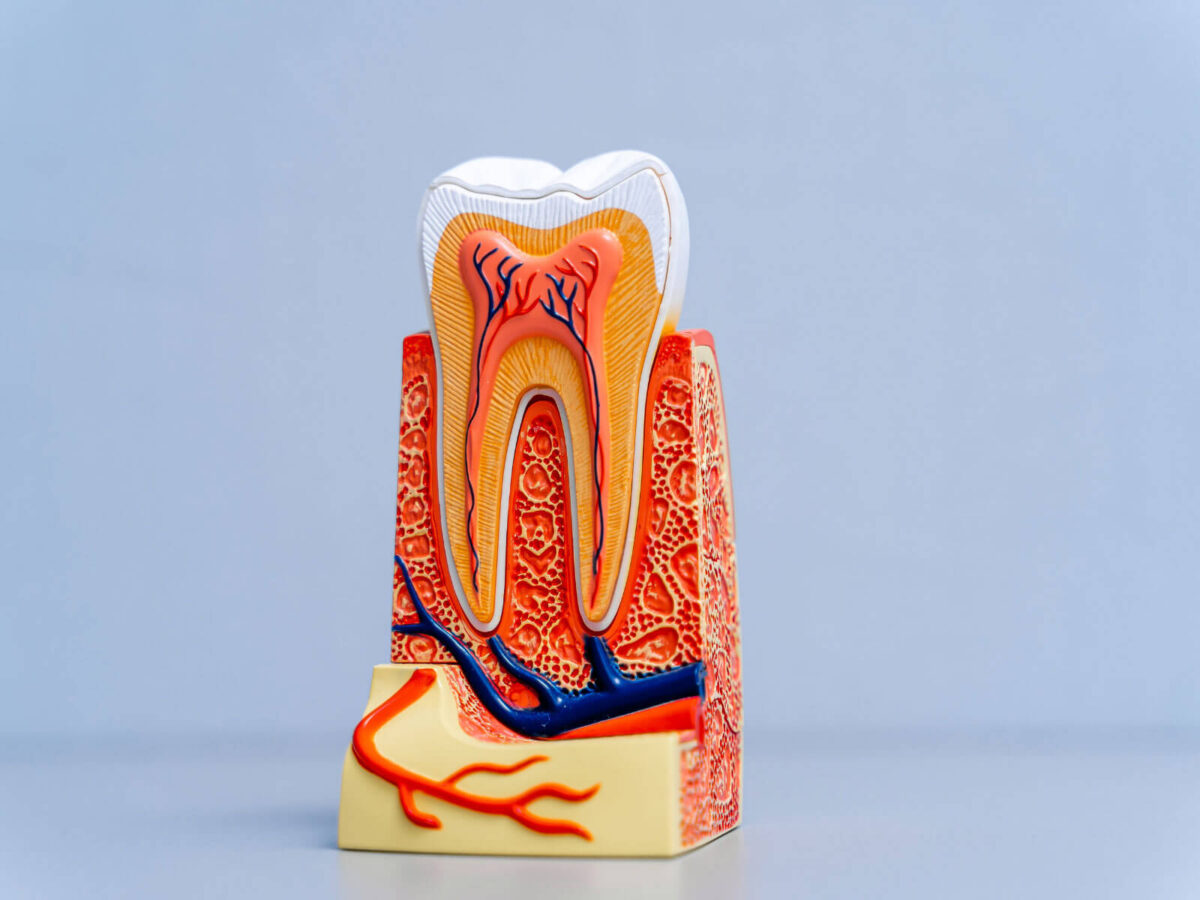
Do Root Canals Hurt? What to Expect During and After the Procedure
Ask around, and almost everyone has a root canal story, usually secondhand, usually terrifying, a cousin’s bad experience, a coworker’s warning, or some sitcom scene where the dentist reaches for something sharp, and the patient screams.
None of that matches what the procedure is actually like now. The tools have changed. The anesthetics have changed. Only the reputation is still stuck in the 1970s.
Do root canals hurt? Mostly no, and the reason has less to do with bravery and more to do with anesthesia doing its job properly, along with decades of small improvements nobody outside dentistry tends to hear about. Root canal pain during the actual procedure is rare these days, despite what the old stories still claim.
What the Procedure Itself Feels Like
Numbness is the short version. Mayo Clinic puts it directly: most people now feel little or no pain during a root canal, and living with the decayed tooth beforehand is probably worse.
There’s pressure. There’s the sound of instruments, which unsettles some people more than any actual sensation does. What there usually isn’t is pain, because the nerve tissue causing that pain is exactly what’s being removed.
The dentist keeps the tooth dry with a dental dam before starting. Small tools reach through the opening to clear out the pulp, then shape what’s left of the canals. One canal, and the whole thing wraps up in under an hour. A molar with three or four takes closer to two.
Patients tend to call it tedious more than painful. Keeping the mouth open that long is its own kind of uncomfortable, jaw muscles tiring out well before anything close to root canal pain shows up from the tooth itself. That’s a different complaint entirely, and it fades within minutes of the appointment ending.
Where the Scary Reputation Actually Comes From
Old equipment is mostly to blame. Root canals decades ago used weaker anesthetics and cruder tools, and that era is where most of the horror stories trace back to, even the ones told by people who’ve never personally had the procedure.
There’s also a mix-up worth untangling. The pain people remember is usually the infected tooth itself, throbbing before treatment even starts. That gets folded into memory as “the root canal hurt,” when the root canal was the thing that made it stop.
Family stories carry a lot of weight here too. A parent or grandparent’s decades-old account of a bad root canal gets repeated at face value, without anyone factoring in that the anesthetics and instruments in that story are nothing like what’s used today. Root canal pain as a reputation outlives root canal pain as a reality, passed down long after the reason for the fear stopped applying.
Do Root Canals Actually Hurt Once the Numbness Fades
There’s some tenderness afterward, but it stays well short of anything serious. Cleveland Clinic’s guidance puts most recovery under a week, with lingering sensitivity that shouldn’t stretch past that.
Ibuprofen or acetaminophen handles it for most people. The tooth itself has no nerve left to hurt. The tissue around the root is what’s irritated from the procedure itself, and it calms down on its own over the days that follow.
According to Healthline, mild pain and sensitivity as the anesthetic wears off are simply part of the normal healing curve, not something to worry about.
Jaw soreness shows up too, separate from the tooth entirely. Holding the mouth open for an extended appointment strains the same muscles used for chewing, and that ache can be more noticeable in the first day or two than any root canal pain coming from the treated tooth itself.
Why the Tooth Needed Treatment in the First Place
I’ve had a dentist walk me through this before – bacteria work their way in wherever there’s an opening, usually a crack that’s gone unnoticed or a filling that’s finally worn through. By the time bacteria reach the pulp, there’s no fighting them off. The body just doesn’t have a way in that deep.
What happens next depends on how long it sits. Some infections stay contained for a while. Others turn into an abscess or start working into the bone, and that’s the point a root canal is meant to catch, before extraction becomes the only option left.
Day by Day, What Recovery Actually Looks Like
Numbness lingers for a few hours on day one, and mild tenderness sets in once it fades. Day two tends to be the roughest for a lot of patients, oddly enough, not day one.
By day three or four, most people notice a clear drop-off. Sticking to soft foods, chewing on the other side, and icing the jaw if there’s any swelling all help more than most people expect going in.
Sensitivity to hot or cold can hang around a little longer, particularly in back molars with more complicated root anatomy. That alone isn’t cause for concern as long as it’s trending down instead of up.
Work usually isn’t affected past the day of the appointment. Most people are back to their regular routine by the next day, sometimes even the same afternoon, though a physically demanding job might be worth taking an extra day off for while the area’s still tender.
Why Pain Can Spike Before It Fades
Recovery doesn’t follow one clean timeline, and the biggest variable is usually the tooth’s condition going in. One that was already infected, swollen, and throbbing before treatment tends to put up more of a fight afterward than one caught early.
The immune system doesn’t just switch off the moment infected tissue gets cleared out during treatment. It can ramp up for the first day or two afterward, reacting to the disruption even as the source of the problem is being removed. That’s sometimes called a flare-up, and it can mean root canal pain gets briefly worse before it gets better, which throws off the usual expectation that everything should feel better right away.
When a Slightly High Bite Is the Real Culprit
A crown sitting slightly high creates a small, constant point of contact that the jaw hits first with every bite. Over thousands of bites a day, that pressure irritates the ligament around the tooth, and soreness can drag past the usual week because of it. It’s not a failed procedure, just a bite that needs adjusting.
Underlying health plays a role too, though it gets mentioned less often. Anything that slows healing generally, whether that’s a chronic condition or an immune system already dealing with something else, can stretch out the timeline on the dental side. The starting point is usually just different, which shows up more clearly as root canal pain lingers a bit longer than the average case.
When Something’s Actually Wrong
Pain that keeps building instead of easing off, especially past day four or five, is worth calling about. So is swelling that isn’t going down, a strange taste or smell near the tooth, or sharp pain, specifically when biting.
Mayo Clinic is direct about this one too: pain or pressure lasting more than a few days is worth a call, since it can point to a missed canal or a restoration that needs tweaking rather than something dangerous.
None of these signs is common. Most cases of root canal pain resolve exactly the way the timeline above describes, quietly and without incident. But a dentist would rather get an unnecessary call than have someone sit on a real problem out of fear of bothering the office.
FAQ
Root canal or a filling – which one hurts more?
Not by much, if at all. Numbing works the same way for both. The root canal just takes longer in the chair.
Is a molar root canal more painful?
A little more soreness afterward is common, mostly because molars have more canals to clean out. The procedure itself still shouldn’t hurt under anesthesia.
Why does day two feel worse than day one?
Anesthesia’s fully gone by then, and inflammation from the procedure tends to peak before it starts settling. It’s normal, not a bad sign.
Can pain come back months after a root canal?
It can. Though it’s uncommon. That’s usually worth getting checked, since it can mean the tooth needs retreatment.
Conclusion
The fear around “do root canals hurt” outlived the reasons for it decades ago. Modern anesthesia handles the procedure itself, and what’s left afterward is usually a few manageable days, not the ordeal the jokes describe.
Putting off a needed root canal because of that old reputation tends to trade a short recovery for a longer stretch of untreated pain. Anyone unsure what to expect should ask their dentist directly, tooth by tooth, before assuming the worst.