Blog
Dental hygiene tips for healthy teeth & gums
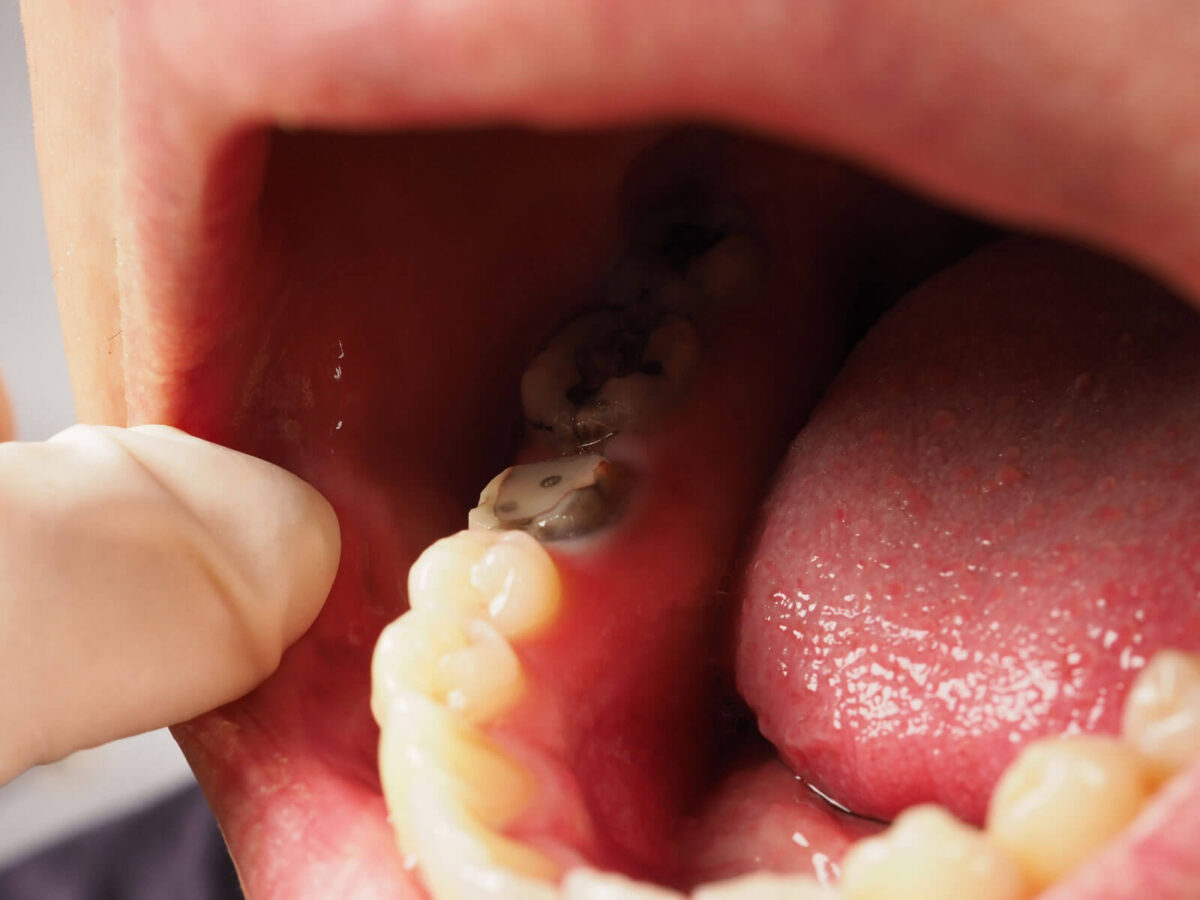
What Does a Decayed Tooth Look Like?
In the beginning, decay often goes unnoticed. There’s no dramatic signal. No flashing warning. It usually starts quietly, which is why so many people find themselves searching “what does a decayed tooth look like” only after they feel something slightly off.
The problem is that decay doesn’t always look the way people expect. When someone hears the word “cavity,” they imagine a dark hole that you can clearly see in the mirror. In reality, early decay can look surprisingly subtle.
Understanding what cavities look like in different stages makes a big difference. It is just easier to deal with when it is spotted sooner.
Why Does Early Decay Sometimes Look White?
In its earliest phase, decay may not appear brown or black at all. It can show up as a faint white or chalky area on the enamel. This happens when minerals begin to break down in one specific spot.
Pain is not always part of the picture at this point. That is what makes it easy to overlook. If someone looks up “what does a decayed tooth look like”, they may be surprised that the early stage does not resemble the extreme photos they have seen.
The surface might just look slightly dull compared to the surrounding enamel. Nothing extreme. Just different.
Progression: Brown or Dark Discolouration
As decay moves past the earliest stage, colour changes become more noticeable. The affected area can turn brown or even dark grey. This happens as bacteria break down enamel and penetrate deeper layers.
Cavities are still extremely common in both children and adults.
When people ask what cavities look like, this darker stage is usually what they’re picturing. A stain that doesn’t brush away. A spot that seems fixed in place.
It’s important to understand that not every dark mark is decay. But if discolouration appears in one area and doesn’t fade, it’s worth getting checked.
Visible Pits or Holes
Once enamel breaks down further, a small pit or hole may form. This is the stage most people immediately recognise as a cavity.
You might find that food collects in that area more easily. Sweets or cold drinks can suddenly feel sharper than usual. The American Dental Association notes that an untreated cavity does not stay on the surface. Over time, it can spread into deeper layers of the tooth and even reach the pulp. More details here: [Reference]
At this point, the question “what does a decayed tooth look like?” has a clearer answer. It looks structurally different. You can sometimes see or feel the change with your tongue.
Subtle Signs You Might Not See
Not all decay is visible right away. Cavities can form between teeth where mirrors can’t easily show them. That’s where dental X-rays become important.
Sometimes it is not pain that tips you off. It can be bad breath that sticks around. Leftover sugar on the teeth gives bacteria something to work with. They leave acids that affect more than just the surface. Those byproducts affect both structure and smell over time.
For anyone asking what do cavities look like, it is not always a clear visual sign. Sometimes they look subtle in the beginning and only stand out once they have progressed.
How Decay Feels Before It Looks Serious
Sometimes decay does not show up in the mirror first. You feel it before you see it.
Cold water might hit one spot differently than usual. A bite of something sweet may linger in a way it did not before. It is not dramatic. Easy to brush off. You tell yourself it will pass. Teeth can be sensitive sometimes.
Still, that is usually when the thought about “what does a decay tooth look like” creeps in. All because something feels slightly off, even if everything looks normal.
The outer enamel cannot feel pain, though what sits beneath it definitely can. When decay begins working its way inward, even a little, those sensations can appear before there is an obvious hole. It is not always sharp pain. Sometimes it is just a brief signal that something has changed.
That is why those small differences are worth noticing. The mouth often gives quiet hints long before a problem becomes visible.
Advanced Decay and Infection
If nothing is done, decay can travel inward toward the pulp, the part that holds the nerves. That is when pain often becomes more consistent. Some people also notice gum swelling or a tiny raised bump near the tooth. This may point to infection.
The appearance of the tooth itself may include deep dark discoloration or visible structural damage. Sometimes the enamel looks partially broken.
By the time decay reaches this level, treatment becomes more complex. That’s why early recognition matters so much.
Why Decay Sometimes Looks Worse Than It Is
Not every dark mark means disaster. And that’s important to say.
People often search how do cavities look like after spotting a stain that suddenly seems suspicious. But teeth can darken for reasons that aren’t structural decay. Surface staining from coffee or even lighting can exaggerate what you see in the mirror.
At times, decay sits behind what looks like a simple stain. It does not always announce itself clearly. That is why guessing at home is difficult. An exam, along with X-rays, often uncovers issues below the enamel that are easy to overlook.
Knowing what a decayed tooth looks like gives you context. But it is easy to overthink small things. Being observant makes sense. Assuming the worst does not.
Why Early Detection Changes Everything
Tooth decay does not reverse once a cavity forms. However, early mineral loss can sometimes be managed before a hole develops.
Checkups are not just about cleaning. They help catch quiet changes early. Dentists notice small shifts in texture or shading and use imaging to find signs that do not show up to the naked eye.
When people search “What does a decayed tooth look like?” they’re usually trying to confirm something they suspect. But waiting for visible damage isn’t ideal.
FAQs
At the start, what does decay look like?
Early on, it may look more like a chalky mark. It may not look like a dark opening.
What do cavities look like when they get worse?
They often turn brown or black and may form visible pits in the tooth surface.
Can you always see tooth decay?
No. Cavities between teeth are difficult to find without X-rays.
Is pain a reliable sign of decay?
Not always. Many cavities develop without pain until they reach deeper layers.
Final Thoughts
If you’ve been wondering “what does a decayed tooth look like”, the answer depends on timing. Early decay can be subtle. Later stages become more visible and more uncomfortable.
Not sure what cavities look like in real life? Watch for subtle changes. A light patch. A shadow that does not go away. A tooth that reacts more than it used to.
It is usually simpler to deal with decay sooner rather than waiting and hoping it settles down. A quick visit to the dentist can clear up what is actually going on.