Blog
Dental hygiene tips for healthy teeth & gums
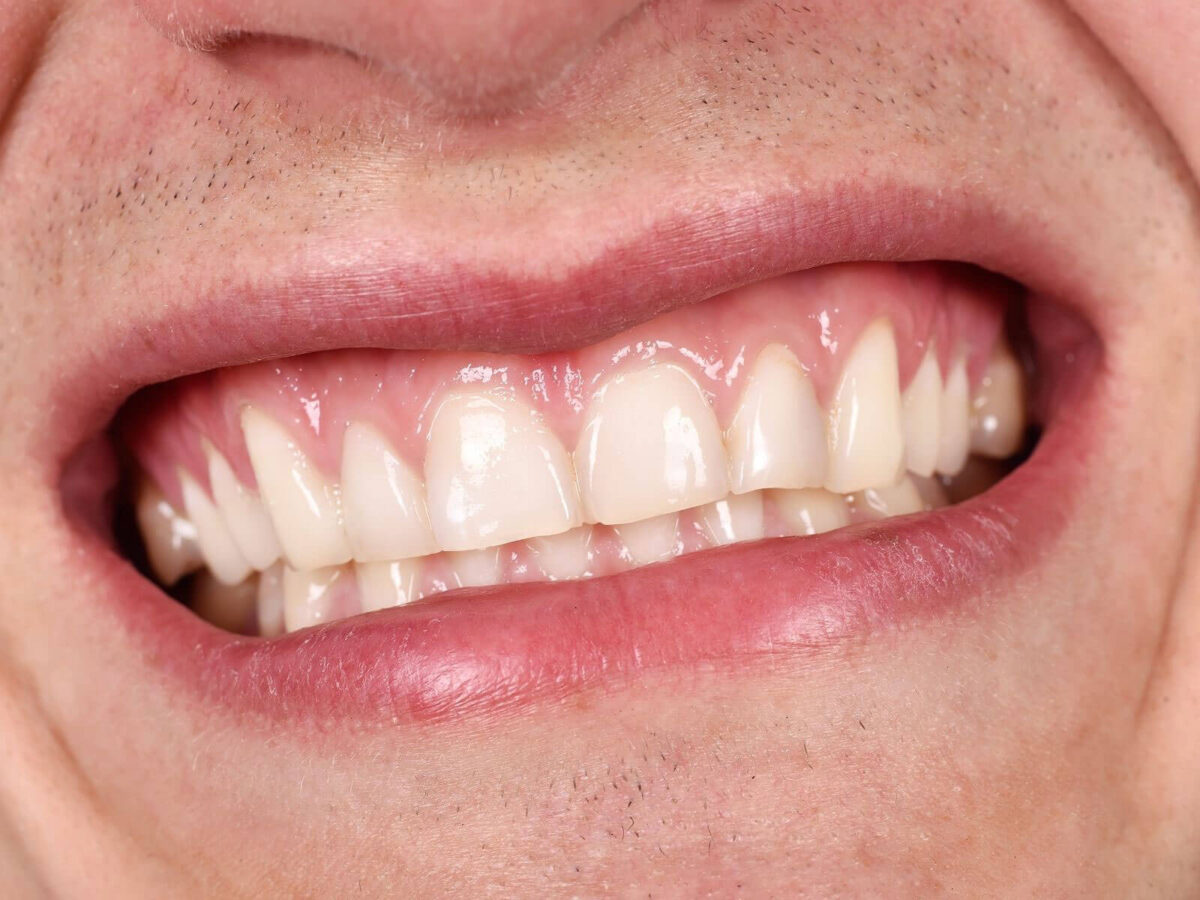
Types of Gum Infections and How They’re Treated
Gums usually move through the day quietly, holding the teeth steady without drawing much attention. They do their work softly, so softly that changes arrive in ways most people do not notice at first. A small puffiness. A deeper shade along the edge. A tenderness that appears one morning and fades by the afternoon. These moments feel minor, yet they are often the earliest signs of the types of gum infections beginning beneath the surface. These infections do not rush in. They settle slowly, in tiny spaces where food rests for a little too long or where brushing misses by just a fraction. In those small hiding places, bacteria start to grow, and the gums react in ways that become clearer over time.
A Mild Beginning That Blends Into Everyday Life
One of the earliest stages settles right where the gum meets the tooth. A thin film sits there after meals, and if it stays long enough, the gum becomes a bit swollen. The swelling is soft, not sharp, and sometimes a bit of bleeding shows up while brushing. Then it goes away, almost like nothing happened. Among the different types of gum infections, this early stage remains closest to the surface. It is gentle and often missed. When the buildup is cleared, the tissue calms again. The gums feel lighter, and the natural colour returns. But if the film settles again, the same signs quietly return. It is a stage that responds quickly to care yet returns quickly when ignored.
When the Infection Slips Below the Gumline
If the early irritation stays around long enough, bacteria can move under the gumline. The gums loosen a little, and small spaces form where more bacteria collect. These pockets may not hurt, yet they deepen over time. This stage sits among the more significant types of gum infection because the irritation is no longer at the surface. The gums may look uneven or feel tender after chewing. Breath may take on a faint odour that returns even after brushing.
Treatment here usually involves cleaning deeper into the pockets. Reaching these spaces removes layers that brushing cannot touch. Once the area is cleared, the gums start to settle again, though they often need more regular care to stay steady.
Advanced Infections That Touch the Bone
If these deeper pockets remain for months or longer, the infection can reach the bone. This stage unfolds slowly. The gums can pull back, showing more of the tooth. A tooth may feel as if it moves slightly when touched. These changes do not appear suddenly. They gather quietly, the result of bacteria resting in the pockets day after day.
Among the different types of gum infections, this advanced stage connects directly to how strongly the teeth are anchored. Treatment becomes more detailed. Some areas need smoothing so bacteria cannot attach easily. Other areas need specialised support to help the gums hold their place again. The focus shifts to protecting the bone that remains and preventing further loss.
Abscesses That Form Quickly and Bring Swelling
Not all gum infections follow a slow path. Some gather quickly, forming a pocket of bacteria known as a gum abscess. This pocket creates pressure inside the gums. A swollen spot appears, tender when touched. Sometimes a bad taste appears if the abscess begins to drain. This stage belongs to the acute types of gum infections because it does not take weeks or months to appear. It forms suddenly.
Treatment often begins with calming the pressure. The pocket may be drained, and the area cleaned thoroughly. Once the bacteria are cleared, the gum tissue feels lighter almost immediately. Medication may help if the infection has begun to spread.
When a Tooth Only Partially Comes Through
Some infections start in places that catch food easily. A tooth that doesn’t fully break through, usually a wisdom tooth, leaves a little gum flap where bits of food slip in. The area swells and gets sore, and chewing there may feel off. This happens because the gum’s shape makes a hiding spot for bacteria, not only because of plaque.
Cleaning the area helps, and sometimes the tooth needs evaluation to prevent repeated infections. This type sits quietly among the types of gum infection that depend more on the tooth’s position than on everyday habits.
How Dentists Read the Signs Inside the Gums
Dentists look at the gums to get a sense of the infection. They check the depth, the colour, and how the gums behave when a little pressure is used. Each of the types of gum infections behaves differently. Some stay near the surface. Some travel deeper. Some form quickly. Others unfold slowly.
Treatment depends on these signs. Mild stages may calm with simple cleaning. Deeper infections need more careful attention. Advanced stages may require reshaping areas so bacteria cannot settle easily. The goal stays the same: remove what the gums cannot clear on their own and help the tissue become strong again.
How Medication Supports the Healing Process
If the infection spreads or the swelling gets too severe, cleaning alone can’t calm the gum. That’s when medicine is needed. Many people wonder what type of antibiotics for gum infection will be used, and that depends on how far the bacteria have gone. The medicine cuts the bacteria down; the dental work clears the source. The antibiotics don’t replace cleaning. They simply help the gums heal with less effort.
Why Gum Infections Grow Quietly Before Showing Strong Signs
Gums try to protect the teeth in gentle ways. They do not shout when irritation begins. They whisper. A slight redness. A small swelling. A bit of bleeding. These early signs fade quickly, convincing many people that nothing is wrong. In the quiet spaces beneath the gums, the infection continues to build. By the time the discomfort feels strong, the infection may have moved deeper.
Knowing the types of gum infections helps people see these early clues with more clarity. Instead of waiting for pain, they notice the subtle shifts that come first.
Staying Ahead of Gum Trouble Before It Grows
Gum infections often feel distant when symptoms are mild. But noticing early signs keeps the deeper stages from forming. Drinking more water, easing off constant snacking, and keeping up with dental cleanings all support the gums. These everyday steps protect the tissue early and help things stay calm during weeks when the mouth feels slightly off for reasons people barely understand.
Understanding the different types of gum infections helps people read their own mouth more clearly. The gums give signals early. They just speak softly at first.
Ready to Support Your Gum Health
A gentle visit with a dental team can reveal early signs of infection long before they grow in ways people often miss. Treatment brings comfort back to the gums, and home care keeps them steady afterwards. Taking that step strengthens the foundation that holds every tooth in place.